
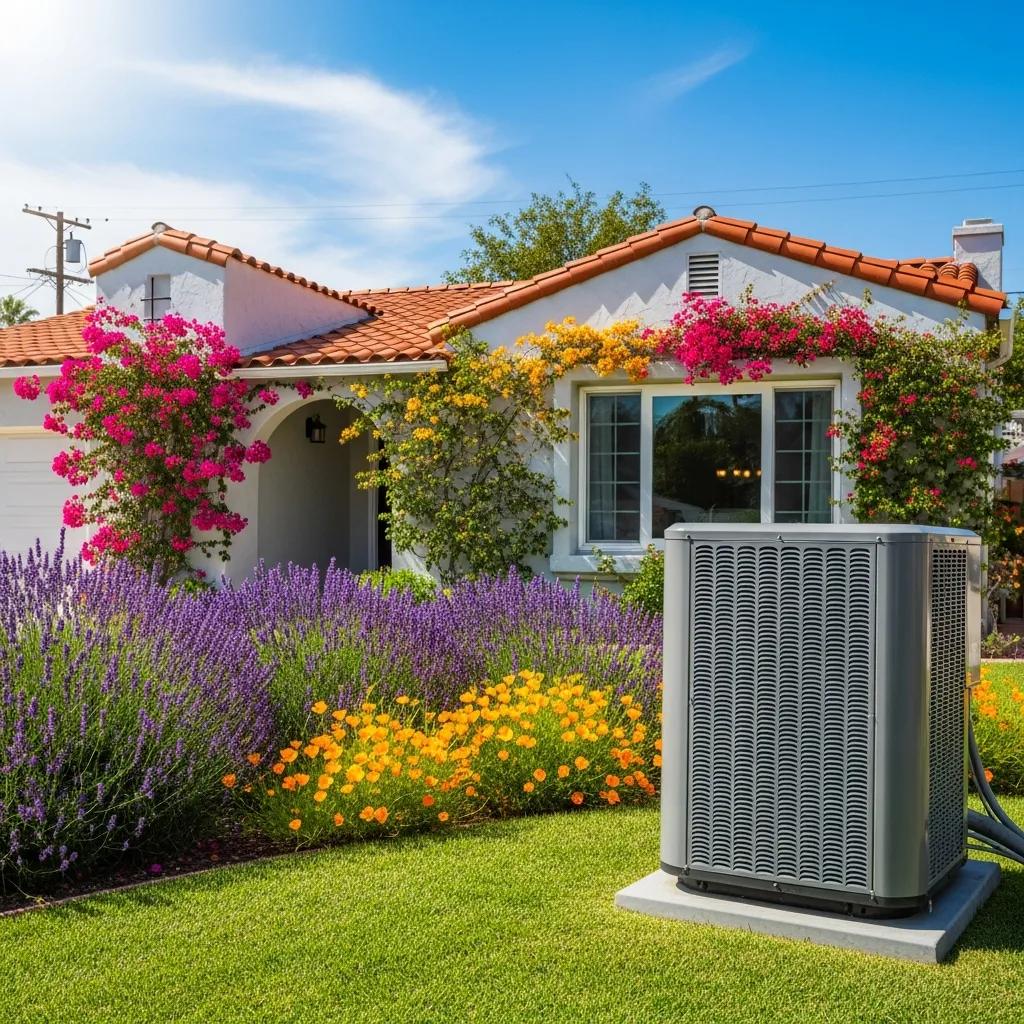
Comprehensive Spring AC Tune-Up Checklist for San Diego, CA Homes: Essential Pre-Summer Preparation and Maintenance
As summer approaches, verifying that your air conditioning system is operating optimally is essential for San Diego, CA homeowners. At Reliable Comfort HVAC, we emphasize that a spring tune-up improves system efficiency and extends equipment life, helping you maintain comfort during peak heat. This checklist outlines the essential maintenance tasks that identify minor issues before they become costly repairs and explains how local climate factors influence AC performance in San Diego, CA.
We explain the importance of spring AC tune-ups, detail the components of a maintenance checklist, and provide practical inspection and upkeep steps. Our guidance also covers energy efficiency recommendations and how to schedule professional HVAC services so you can keep your system reliable throughout the summer.
Why Is a Spring AC Tune-Up Crucial for San Diego, CA Homes?
A spring AC tune-up is necessary to preserve the efficiency and reliability of your air conditioning system. Routine maintenance reduces the risk of unexpected failures and ensures consistent indoor comfort during hot months. Addressing minor faults early reduces repair costs and helps extend the operational life of the unit, while a properly maintained system delivers improved energy performance and indoor air quality.
Given San Diego, CA’s warm conditions, neglecting spring maintenance can result in greater discomfort and higher energy expenditure. Scheduling a professional tune-up with Reliable Comfort HVAC remains the most effective preventive measure to keep your home cool and systems dependable when demand rises.
How Does Seasonal Maintenance Improve AC Efficiency and Longevity?
Seasonal maintenance is fundamental to maintaining peak AC performance. Regular tune-ups include procedures such as coil cleaning, refrigerant verification, and electrical inspections, all of which support efficient operation.
A well-maintained AC cools more effectively, reducing operational strain and energy consumption. Routine inspections detect emerging issues early, enabling timely repairs that prevent accelerated wear and extend the system’s useful life.
What Are the Local Climate Factors Affecting AC Performance in San Diego, CA?
San Diego, CA’s climate—characterized by warm, dry summers and mild winters—places specific demands on air conditioning equipment. Higher outdoor temperatures and low humidity can increase runtime and component stress, raising the likelihood of failures if systems are not properly serviced.
The coastal environment can also introduce salt and moisture exposure that affects external components. Regular maintenance helps mitigate these effects and preserves system reliability; understanding these local conditions informs appropriate service intervals and protective measures.
The relationship between local weather patterns and HVAC efficiency warrants continued evaluation, particularly as climatic conditions evolve.
What Are the Key Components of a Seasonal Air Conditioner Maintenance Checklist?
A comprehensive seasonal maintenance checklist comprises several critical tasks designed to preserve system performance. The primary components address airflow, outdoor unit condition, and professional inspection to identify hidden faults.
- Check and Replace Air Filters: Dirty filters can restrict airflow, reducing efficiency and air quality. Regularly replacing filters is essential for optimal performance.
- Inspect and Clean Outdoor Unit: Debris can accumulate around the outdoor unit, hindering airflow. Cleaning the unit ensures it operates efficiently.
- Schedule Professional Maintenance: Engaging a qualified HVAC technician from Reliable Comfort HVAC for a thorough inspection and tune-up can identify and address potential issues before they escalate.
These tasks form the operational basis of a spring tune-up and support sustained system efficiency and longevity.
When selecting replacement filters, check compatibility with your equipment rather than choosing solely by marketing claims. Filters are rated for particulate removal and airflow resistance; a higher-efficiency filter may capture smaller particles but can also increase resistance if the system is not designed for it. Consult your system manual or our technicians to select a filter that balances indoor air quality and proper airflow for your model.
How to Inspect and Replace AC Filters for Optimal Air Quality?
Filter inspection and replacement are straightforward yet critical for maintaining indoor air quality and airflow. Inspect filters monthly during high-use periods and replace them whenever they appear dirty or clogged to maintain proper system function.
Select filters that are compatible with your system. High-efficiency particulate air (HEPA) filters capture finer particles and can improve indoor air quality while supporting overall system efficiency when used as specified by the manufacturer.
What Are the Steps for Coil Cleaning and Inspection?
Cleaning and inspecting coils preserves efficient heat transfer. Follow established safety procedures and the manufacturer’s guidance when performing these tasks.
- Turn Off Power: Always ensure the power to the unit is turned off before performing any maintenance.
- Remove Debris: Clear any debris from around the coils to allow for proper airflow.
- Clean Coils: Use a soft brush or cloth to gently clean the coils, removing dirt and grime that can hinder performance.
Consistent coil maintenance maintains effective heat exchange and supports reliable cooling performance.
If you encounter bent fins, heavy corrosion, or stubborn grime that does not respond to careful cleaning, pause and consult a trained technician from Reliable Comfort HVAC. Damage to fins or compromised coil surfaces can reduce efficiency and may require professional restoration; coastal homes in particular should be checked for salt-related corrosion and, when appropriate, fitted with corrosion-resistant coatings or protective elements recommended by our technicians.
How to Conduct Refrigerant Level Checks and Detect Leaks During Spring AC Service?
Refrigerant level verification is a vital element of AC servicing. Low refrigerant commonly indicates a leak, which degrades efficiency and can damage the system. Observe the following indicators of potential leaks:
- Weak Airflow: Reduced airflow from vents can indicate low refrigerant levels.
- Ice Formation: Ice on the coils or refrigerant lines is a clear sign of a problem.
- Increased Humidity: If indoor humidity levels rise, it may indicate that the AC is not functioning correctly.
Should any of these symptoms be evident, engage a licensed HVAC technician from Reliable Comfort HVAC to evaluate and repair the system safely and effectively. For more information about the issues, check out the symptoms of a dirty condenser.
Refrigerant handling is regulated and generally requires certified technicians. Our qualified professionals will locate and repair leaks before recharging the system and will follow environmental handling procedures appropriate to your region. When scheduling service with us, verify our technicians’ credentials for refrigerant work and ask about the diagnostic steps they will take to ensure a proper and lasting repair.
What Are Common Signs of Refrigerant Leaks in San Diego, CA Homes?
Early detection of refrigerant leaks prevents extensive damage. Typical signs include diminished cooling output, ice accumulation on evaporator coils, and unexplained increases in energy consumption.
- Weak Airflow: If your AC is not blowing cold air, it may be due to low refrigerant levels.
- Ice on Coils: Ice buildup on the evaporator coils is a strong indicator of a refrigerant issue.
- Increased Energy Bills: A sudden spike in energy costs can suggest that your system is working harder due to low refrigerant.
Timely recognition of these signs allows for prompt professional intervention and reduces the risk of further system damage.
How to Calibrate and Set Thermostats for Summer Comfort and Savings?
Accurate thermostat calibration supports comfort and efficiency. Adopt recommended temperature settings and automated controls to minimize unnecessary runtime and energy use.
- Set to Recommended Temperatures: The U.S. Department of Energy recommends setting thermostats to 78°F when at home and increasing the temperature when away.
- Use Programmable Thermostats: Programmable thermostats can automatically adjust temperatures based on your schedule, enhancing comfort and efficiency.
- Regularly Check Settings: Ensure that the thermostat is functioning correctly and that settings are adjusted as needed.
Implementing these practices helps optimize cooling performance while controlling energy consumption.
For programmable or smart thermostats, create a weekday and weekend schedule that reflects occupancy patterns and make small incremental changes to find the most comfortable and efficient balance. If you travel or have irregular schedules, use vacation or setback modes to reduce runtime while maintaining protection against extreme indoor temperatures. Remote monitoring features can also alert you to unusual runtime that may indicate an underlying issue.
Why Is Duct Inspection and Airflow Optimization Important in Spring AC Tune-Ups?
Duct inspection and airflow optimization are vital to efficient cooling. Blocked, damaged, or leaky ducts reduce system effectiveness and increase operating costs. Regular inspections identify these issues so they can be corrected.
Optimized airflow improves system efficiency and indoor air distribution, yielding more consistent temperatures and better air quality. Including duct assessment in spring maintenance supports overall system performance.
How to Identify and Seal Air Leaks in Ductwork?
Locating and sealing duct leaks preserves conditioned air and reduces energy waste. Employ a methodical inspection and appropriate sealing materials where leaks are found.
- Visual Inspection: Check for visible gaps or cracks in duct joints and connections.
- Use Duct Sealant: Apply mastic sealant or metal tape to seal any identified leaks.
- Consider Professional Help: If leaks are extensive, hiring a professional from Reliable Comfort HVAC to conduct a thorough inspection may be necessary.
Sealing duct leaks enhances system efficiency and lowers energy costs, making it a cost-effective investment in most cases.
Improving duct sealing is most effective when combined with other envelope improvements. Simple attic or crawlspace air-sealing, insulation upgrades near duct runs, and sealing penetrations where ducts pass through conditioned and unconditioned spaces all compound the benefits of duct sealing and reduce overall cooling load.
What Are the Benefits of Improved Airflow for Energy Efficiency?
Improved airflow delivers measurable benefits: it enhances cooling distribution, reduces system workload, and supports stable indoor temperatures. These outcomes directly contribute to lower energy consumption.
- Enhanced Cooling Efficiency: Proper airflow ensures that cool air is distributed evenly throughout the home, reducing the workload on the AC system.
- Lower Energy Bills: Efficient systems consume less energy, leading to reduced utility costs.
- Consistent Indoor Temperatures: Improved airflow helps maintain comfortable temperatures, enhancing overall comfort.
Prioritizing airflow optimization yields a more efficient and cost-effective cooling experience.
What Energy Efficiency Tips Should San Diego, CA Homeowners Follow Before Summer?
San Diego, CA homeowners can prepare for summer by adopting targeted efficiency measures. Regular service, equipment upgrades, and auxiliary strategies such as fan use reduce cooling demand and operating costs.
- Regular Maintenance: Schedule annual AC tune-ups with Reliable Comfort HVAC to ensure optimal performance.
- Upgrade to Energy-Efficient Models: Consider replacing older units with energy-efficient models that meet current standards.
- Utilize Ceiling Fans: Ceiling fans can help circulate cool air, reducing the reliance on air conditioning.
Implementing these measures will improve system performance and reduce cooling expenses during the summer.
How Does Regular Maintenance Contribute to Lower Energy Bills?
Routine maintenance reduces energy consumption by ensuring components operate as intended. Clean filters, proper refrigerant charge, and functional electrical elements allow the system to cool with less effort.
Proactive maintenance also uncovers issues before they escalate, preventing costly repairs and preserving peak performance. Homeowners who prioritize scheduled service with Reliable Comfort HVAC typically realize measurable savings over time.
What Are Additional Measures to Enhance HVAC System Efficiency?
Beyond standard servicing, homeowners can improve HVAC efficiency through targeted upgrades and periodic tasks that reduce load and enhance control.
- Upgrade Insulation: Proper insulation helps maintain indoor temperatures, reducing the workload on the AC system.
- Implement Zoning Controls: Zoning systems allow for targeted cooling, improving efficiency in larger homes.
- Regular Duct Cleaning: Keeping ducts clean ensures optimal airflow and reduces allergens in the home.
These measures contribute to sustained efficiency gains, improved comfort, and lower operational costs.
When and How to Schedule Professional HVAC Spring Tune-Up Services in San Diego, CA?
Schedule professional spring tune-up services with Reliable Comfort HVAC in early spring, prior to peak cooling demand. Early scheduling enables timely inspections and reduces the likelihood of service delays during high-demand periods.
When selecting a provider, evaluate credentials, customer feedback, and the scope of services to ensure comprehensive maintenance coverage.
- Check Qualifications: Ensure that the technician is licensed and experienced in HVAC services.
- Read Reviews: Look for customer reviews and testimonials to gauge the quality of service.
- Ask About Services Offered: Confirm that the provider offers comprehensive tune-up services that cover all essential maintenance tasks.
Following these selection criteria helps homeowners obtain reliable service and maintain system performance effectively.
Prepare for a service appointment by having basic information available: the system make and model, the age of the equipment, any recent problems you’ve observed, and the location of indoor and outdoor units. Clear access to the equipment and any relevant documentation or recent service records can speed diagnostics and help our technicians prioritize work during the visit.
What Qualifications Should You Look for in HVAC Technicians?
Assess technician qualifications to ensure competent service delivery. Priority considerations include proper licensing, demonstrable experience, and a clear commitment to customer service.
- Licensing and Certification: Technicians should be licensed and certified to perform HVAC work in your area.
- Experience: Consider technicians with a proven track record and experience in handling various HVAC systems.
- Customer Service Focus: A technician who prioritizes customer satisfaction is more likely to provide quality service.
Selecting qualified technicians ensures that maintenance and repairs meet professional standards and protect system longevity.
How to Take Advantage of Local Promotions and Scheduling Options?
Homeowners can reduce maintenance costs by identifying local promotions and flexible scheduling. Seasonal offers, off-peak appointments, and maintenance plans can deliver tangible savings.
- Research Current Promotions: Many HVAC companies, including Reliable Comfort HVAC, offer seasonal discounts or package deals for maintenance services.
- Schedule During Off-Peak Times: Consider scheduling maintenance during off-peak times to take advantage of lower rates.
- Join Maintenance Plans: Some companies offer maintenance plans that provide regular service at a discounted rate.
Using these options can make routine maintenance more affordable while preserving service quality.
Common Questions About Spring AC Tune-Ups for San Diego, CA Homes?
Homeowners frequently ask about tune-up frequency, service scope, and cost. Addressing these questions clarifies expectations and supports informed decision-making.
- How Often Should You Schedule an AC Tune-Up?: It is recommended to schedule a tune-up at least once a year, ideally in the spring.
- What is Included in Maintenance?: A typical tune-up includes checking refrigerant levels, cleaning coils, and inspecting electrical components.
- What Are the Cost Considerations?: The cost of a tune-up can vary based on the service provider and the extent of maintenance required, but generally, it is an affordable investment compared to major repairs.
Clear understanding of these elements enables homeowners to plan maintenance that matches system needs and budget.
Can Homeowners Perform AC Maintenance Themselves Safely?
Certain maintenance tasks are suitable for homeowners when performed with care. Simple procedures such as filter replacement, outdoor unit cleaning, and thermostat checks can be completed safely and help sustain system performance.
- Replace Air Filters: Regularly checking and replacing filters is a simple task that can significantly impact system efficiency.
- Clean Outdoor Units: Removing debris from around the outdoor unit can help maintain airflow.
- Check Thermostat Settings: Ensuring that the thermostat is set correctly can optimize system performance.
For complex activities—refrigerant handling, electrical diagnostics, or sealed-system repairs—engage a licensed professional from Reliable Comfort HVAC to ensure compliance and safety.
When working around the outdoor unit, power off the system at the disconnect or breaker and use nonabrasive tools. Wear eye protection and gloves when clearing debris, and avoid pushing dirt into the condenser fins. If you are uncertain about any step, stop and contact us; many preventive tasks are straightforward, but safety and avoiding damage to components are paramount.
| Task | Frequency | Importance |
|---|---|---|
| Check and replace air filters | Monthly | High |
| Inspect and clean outdoor unit | Annually | High |
| Schedule professional maintenance | Annually | Critical |
This table summarizes the essential tasks, recommended frequency, and their relative importance for maintaining AC performance.
Adhering to this spring AC tune-up checklist enables San Diego, CA homeowners to prepare systems for summer operation, improve efficiency, and extend equipment life, delivering reliable comfort and reduced risk of emergency repairs.
Schedule Your Spring AC Tune-Up with Reliable Comfort HVAC Today
Don’t wait until the heat of summer to ensure your air conditioning system is ready. At Reliable Comfort HVAC, we are committed to helping San Diego, CA homeowners maintain comfortable, efficient homes. Contact us now to schedule your professional spring tune-up and experience peace of mind knowing your system is in expert hands. Book Your Tune-Up.