
Whole-Home Ventilation Solutions San Diego

Whole-Home Ventilation Solutions in San Diego, CA: Expert Guidance for Energy-Efficient Indoor Air Quality
Maintaining optimal indoor air quality is essential for health and comfort in San Diego, CA’s climate. At Precision Air Inc, we specialize in whole-home ventilation systems that support both energy efficiency and healthier living spaces. This article shares our expert insights on energy-efficient practices, methods to improve indoor air quality, and the benefits of common ventilation systems. Homeowners often face challenges related to pollutant buildup and elevated energy use; understanding system types and performance characteristics helps you make informed decisions. Below, we describe available ventilation options, their advantages, and how to select the best solution for your home.
Expert Guidance on Energy-Efficient Practices
Energy-efficient practices reduce operating costs while preserving indoor comfort. At Precision Air Inc, we recommend routine maintenance to identify emerging faults and maintain system efficiency. Replacing aging equipment with energy-efficient models lowers consumption and utility expenses over time. Integrating programmable or smart thermostats enhances operational control and aligns HVAC use with occupant schedules, further optimizing energy use.
Practical energy-efficient steps combine sensible control strategies with routine servicing and targeted upgrades. For example, verifying fan speeds and ensuring supply and exhaust paths are balanced reduces wasted circulation. Matching ventilation runtime to occupancy—using simple schedules or occupancy sensors—keeps fresh air where and when it is needed without unnecessary conditioning of unoccupied spaces. These approaches preserve indoor comfort while lowering demands on heating and cooling equipment.
We provide a short maintenance checklist to help homeowners capture the most impactful actions without specialist tools:
- Verify filter condition and replace or clean regularly. Following the equipment manufacturer’s guidance ensures filters perform optimally and maintain airflow efficiency.
- Listen for unusual fan noises or vibrations. These can indicate bearings or mounts need attention, preventing further damage and maintaining quiet operation.
- Confirm ventilation controls and schedules align with typical occupancy. Proper settings avoid unnecessary operation and save energy.
- Inspect exterior intakes and exhausts for debris and unobstructed airflow. Keeping these areas clear prevents airflow restrictions and maintains system effectiveness.
- Document service dates and component replacements. Tracking maintenance helps monitor long-term performance and plan future servicing.
Methods to Improve Indoor Air Quality
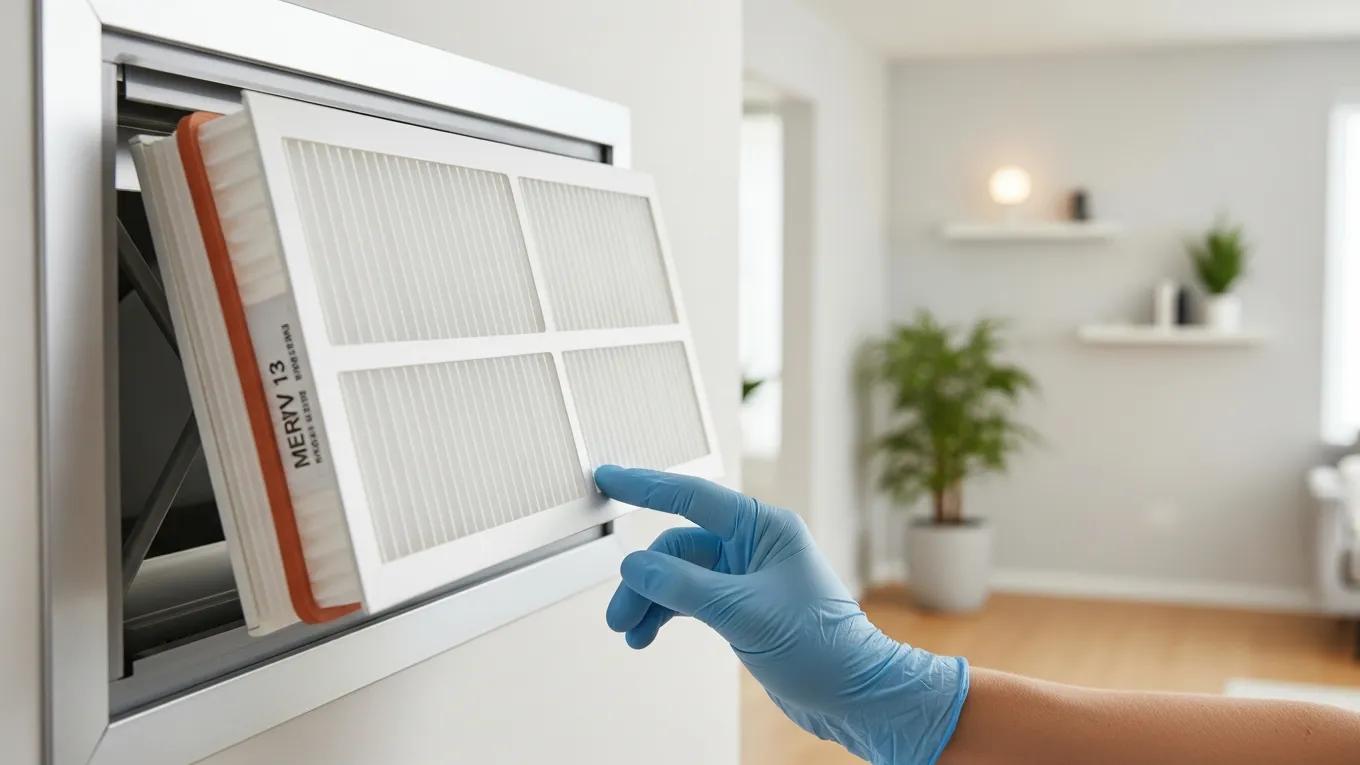
Several practical methods can measurably improve indoor air quality. At Precision Air Inc, we focus on ventilation, filtration, and moisture management to reduce pollutant concentrations and occupant exposure.
- Enhancing Ventilation: Proper ventilation systems ensure a continuous flow of fresh air, reducing indoor pollutants and improving comfort throughout your home.
- Air Filtration and Purification: High-quality air filters capture dust, allergens, and other harmful particles. We help you select filters compatible with your system to maintain airflow and maximize air quality.
- Humidity Control: Maintaining optimal humidity levels prevents mold growth and enhances comfort. We recommend solutions tailored to your home’s specific moisture conditions.
Implementing these measures helps maintain a healthier indoor environment and reduces risks associated with airborne contaminants. When considering filtration, we evaluate filter compatibility with your existing system and its effect on airflow. Higher-performance filters remove smaller particles but can increase resistance if the system is not designed for them. Placement matters too: return-air filters should be accessible for regular servicing, and standalone purifiers can supplement whole-house filtration in spaces with higher pollutant loads or where temporary additional cleaning is needed.
Portable air cleaners and localized purification devices can be effective additions for problem rooms. They are particularly useful where source control or whole-house retrofits are impractical. We advise using portable units in occupied rooms during activities that generate particulates—such as cooking or renovation work—and following manufacturer guidance on room coverage and maintenance.
Benefits of Different Ventilation Systems
Ventilation systems provide distinct operational and energy advantages depending on design. At Precision Air Inc, we help you evaluate benefits by system type to match capabilities with your household priorities.
In addition to improving air quality, these systems can lower energy use when specified and installed correctly, delivering measurable operational savings over time. We also discuss trade-offs such as noise, maintenance access, and installation complexity. For example, whole-house systems that integrate with ductwork provide consistent fresh air distribution but require duct assessment and sealing to achieve expected performance. Simpler exhaust systems are easier to install but may not address balanced airflow or humidity control in larger or tightly sealed homes.
What Are Whole-Home Ventilation Systems and How Do They Improve Indoor Air Quality?
Whole-home ventilation systems provide controlled, continuous exchange of indoor and outdoor air. By replacing stale indoor air with conditioned outdoor air, these systems dilute internally generated pollutants, reduce allergen concentrations, and support better indoor environmental quality. Properly designed ventilation contributes to improved respiratory health and overall comfort for occupants.
Whole-home ventilation includes both centralized units serving multiple rooms via ductwork and simpler whole-house exhaust or supply approaches. Selection depends on your home’s construction, existing HVAC layout, and your indoor air quality objectives. We coordinate with your heating and cooling equipment to ensure fresh air is introduced without compromising temperature control or creating unintended pressure imbalances.
Understanding Mechanical Ventilation Types: HRV and ERV Explained
Mechanical systems such as Heat Recovery Ventilators (HRV) and Energy Recovery Ventilators (ERV) maintain ventilation while reducing conditioning losses. HRVs transfer sensible heat between outgoing and incoming air, which is beneficial in cooler climates. ERVs transfer both sensible heat and some moisture, offering humidity control advantages in more humid conditions. Both system types support indoor air quality goals while enhancing energy performance when applied appropriately.
In San Diego, CA, where microclimates vary across coastal and inland neighborhoods, ERVs are often selected where humidity can be a recurring issue, and HRVs are considered where drier conditions prevail. The deciding factors include indoor humidity trends, occupant sensitivity to moisture, and your home’s thermal envelope characteristics. Consulting with our knowledgeable installers helps align the system type with local conditions and your preferences.
Maintenance for mechanical ventilation typically includes periodic filter checks, verification of heat-exchange core condition, inspection of condensate or drainage paths (for systems that handle moisture), and ensuring fans and controls operate within manufacturer tolerances. These activities preserve performance and avoid common issues that reduce effectiveness over time.
How Fresh Air Intake Systems Reduce Indoor Pollutants and Enhance Air Exchange
Fresh air intake systems introduce measured volumes of outdoor air to dilute indoor contaminants such as volatile organic compounds (VOCs) and allergens. Properly sized intake strategies reduce occupant exposure to indoor pollutants and support healthier indoor environments. Including fresh air intake in an overall ventilation plan improves the effectiveness of other indoor air quality controls.
Placement of intake and exhaust points affects performance and indoor pollutant profiles. Intakes should be located away from obvious outdoor contamination sources—such as vehicle idling zones, exhaust vents, or landscaping where pollen is concentrated—and protected with screens and pre-filters. Balancing intake flow against exhaust or supply rates helps avoid pressure imbalances that can draw unconditioned air through unintended leaks.
Fresh air intake systems can also be combined with pre-filtration or heat recovery devices to reduce the conditioning load and remove larger particulates before air enters living spaces. When designing an intake strategy, we consider seasonal variations and occupant activity to ensure the system remains effective year-round.
For professional assistance, Precision Air Inc specializes in energy-efficient heating, ventilation, and air conditioning solutions tailored to the unique needs of San Diego, CA homes. Our expertise ensures that you receive the best possible service and solutions for your ventilation needs.
What Are the Energy Efficiency Benefits of Upgrading Your Home Ventilation in San Diego, CA?
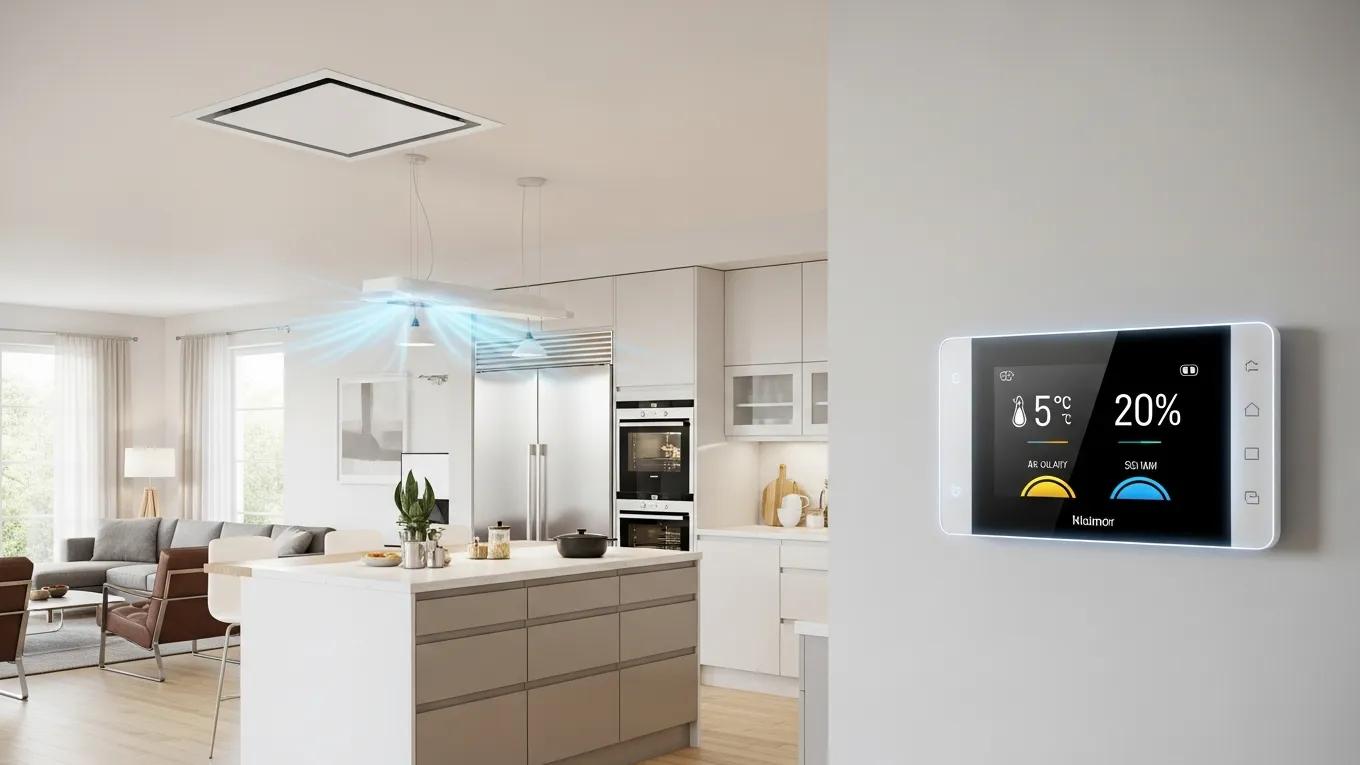
Replacing older ventilation equipment with modern, energy-efficient models improves airflow control and reduces conditioning losses. Homeowners can expect lower utility costs and more consistent indoor comfort. Many contemporary systems include controls that optimize performance and further enhance energy savings when configured correctly.
Upgrades should consider proper sizing and installation quality as much as the nominal efficiencies quoted by manufacturers. A correctly sized ventilation system operates in its intended range, reducing cycling and avoiding excessive fan energy. Well-sealed ducts and verified commissioning ensure theoretical benefits translate into practical, ongoing improvements in energy use and indoor air quality.
How Ventilation Solutions Lower Energy Bills Through Advanced Technology
Advanced controls and integration technologies reduce wasted HVAC runtime and improve system responsiveness. Smart thermostats, zoning, and ventilation control strategies allow targeted conditioning of occupied spaces, which reduces overall energy consumption. Specifying these technologies as part of a ventilation upgrade supports long-term cost reductions.
Modern ventilation controls often incorporate sensors for CO2, occupancy, and relative humidity to modulate fresh air delivery to actual needs rather than operating at a fixed rate. This demand-controlled approach preserves air quality while avoiding unnecessary heating or cooling of outdoor air. Integration with whole-home energy management systems can further prioritize ventilation when the home is occupied and scale back during absences.
California Energy Regulations and Their Impact on Residential Ventilation Choices
California’s energy regulations influence residential ventilation by establishing minimum performance and ventilation requirements. Compliance ensures systems meet efficiency expectations and contribute to broader state energy objectives. Homeowners should consider code requirements when selecting and installing ventilation equipment.
These regulations play a central role in ensuring that new construction meets defined standards for energy consumption and indoor air quality. At Precision Air Inc, we work closely with licensed contractors familiar with local codes and permitting pathways to ensure your system complies fully. We also help retain documentation, test reports, and commissioning records, which are valuable when selling a home or applying for energy-related incentives.
Which Whole-House Ventilation Solutions Are Best Suited for San Diego, CA Homes?
Selecting an appropriate whole-house ventilation solution requires assessment of dwelling characteristics and local climate influences. Commonly recommended options include HRVs for cooler zones, ERVs where humidity management is important, and simple exhaust systems for smaller or lower-cost applications.
- Heat Recovery Ventilators (HRV): Ideal for homes in cooler areas, providing efficient heat exchange to reduce energy use.
- Energy Recovery Ventilators (ERV): Best for humid climates, managing both temperature and humidity to enhance comfort.
- Exhaust Ventilation Systems: Cost-effective and easy to install, suitable for smaller homes or budget-conscious projects.
Understanding these options enables you to choose systems that improve indoor air quality while supporting energy goals. When assessing which solution fits your home, consider factors such as airtightness, existing ductwork accessibility, typical indoor humidity levels, occupant sensitivities like allergies or respiratory conditions, and maintenance preferences. This evaluation helps prioritize features like moisture transfer, filtration efficiency, and control flexibility during system selection.
What Common Ventilation Problems Affect San Diego, CA Homes and How Can They Be Resolved?
Common ventilation issues in San Diego, CA residences include pollutant accumulation, uncontrolled humidity, and restricted airflow. Each issue can degrade comfort and occupant health if left unaddressed.
- Poor Indoor Air Quality: Stale air and pollutants can accumulate, leading to health issues and discomfort. We recommend improving ventilation and filtration to address these concerns effectively.
- Humidity Control Issues: Excess moisture can promote mold growth and discomfort. Our solutions include humidity management systems tailored to your home’s needs.
- Inadequate Airflow: Insufficient ventilation can cause temperature imbalances and discomfort. We assess and optimize airflow to ensure balanced and effective ventilation.
Resolving these problems typically requires a combination of system assessment, targeted equipment upgrades, and regular maintenance to ensure sustained performance. Typical remediation strategies include adding or upgrading whole-house ventilation, increasing filtration effectiveness, addressing moisture sources, ensuring adequate dehumidification, and sealing or repairing ductwork and penetrations that cause pressure imbalances. Our methodical approach—diagnose, prioritize, and execute—minimizes repeat visits and improves long-term outcomes.
Identifying Inefficiencies and Indoor Air Quality Issues
We encourage homeowners to monitor for indicators of ventilation inefficiency such as persistent odors, elevated humidity, uneven temperatures, or visible mold. Early identification enables corrective measures that limit health risks and reduce operational waste.
Simple checks include observing comfort patterns and indoor odors, noting rooms that feel stuffy despite ventilation, and tracking humidity trends indoors. More systematic approaches use basic measurements—such as verifying supply and return airflow balance, listening for abnormal fan operation, and checking filter condition—to reveal common causes of degraded performance. When measurements indicate imbalance or poor performance, professional diagnostic testing completes the picture.
Professional Maintenance and Repair Services to Optimize System Performance
Professional maintenance and repair extend equipment life and preserve system efficiency. At Precision Air Inc, we recommend scheduled inspections, component servicing, and duct cleaning to prevent performance degradation. Annual maintenance intervals help maintain reliability and reduce the likelihood of premature failures.
A comprehensive service visit typically includes filter replacement or cleaning, checking electrical connections and fan motors, inspecting control logic and schedules, cleaning accessible heat-exchange cores, and verifying airflow and pressure relationships across the system. Our technicians also inspect duct insulation, look for condensate blockages, and recommend targeted repairs or upgrades to improve overall efficiency.
For reliable installation and maintenance of ventilation systems, Precision Air Inc offers expert services tailored to the needs of San Diego, CA residents. Our commitment to customer satisfaction ensures you receive the best possible care for your HVAC systems.
How Does Precision Air Inc Ensure Reliable Installation and Maintenance of Ventilation Systems?
At Precision Air Inc, we follow a structured process that begins with a site assessment to define system requirements. Our certified technicians install equipment to manufacturer specifications and verify commissioning parameters. We offer ongoing maintenance programs to preserve efficiency and address service needs throughout the system lifecycle.
The commissioning process typically includes documenting installed equipment, verifying airflow and control setpoints, adjusting balancing dampers as required, and providing a post-installation report outlining settings, tested values, and recommended follow-up. This documentation supports future service decisions and provides a record of the system’s expected operating conditions.
Expertise and Local Knowledge in San Diego, CA HVAC Ventilation Services
Years of regional experience give Precision Air Inc practical knowledge of San Diego, CA climate patterns and applicable building codes. This local expertise informs solution design and ensures installations meet regulatory and performance expectations.
Our familiarity with common construction types, typical duct routing challenges, and neighborhood-specific considerations such as marine influence near the coast or inland heat and diurnal humidity patterns helps tailor ventilation solutions that are both effective and easy to maintain for homeowners.
Customer Satisfaction and Proven Track Record in Whole-Home Ventilation
Customer satisfaction is a primary objective for Precision Air Inc and is reflected in documented project outcomes and client feedback. You can rely on our demonstrated experience to deliver dependable ventilation solutions.
We focus on clear communication, written scope-of-work, and transparent pricing to help you understand the value of proposed interventions and the expected timeline for performance improvements. Our follow-up service and responsiveness to post-installation questions contribute strongly to sustained satisfaction.
How Can Homeowners Schedule Professional Whole-Home Ventilation Services in San Diego, CA?
You may contact Precision Air Inc to discuss specific ventilation needs and request estimates. Our staff provides guidance on available options and assists with appointment scheduling.
Before contacting us, gather relevant information such as your home’s age, existing HVAC components, and any recent service records or observed symptoms. Sharing photos of equipment locations and rough plans of duct access points helps our technicians prepare for site visits and provide more accurate guidance during the initial consultation.
Step-by-Step Guide to Booking Installation and Maintenance Appointments
Booking installation and maintenance appointments with Precision Air Inc is straightforward. Follow these steps:
- Identify Needs: Determine the specific ventilation services required for your home.
- Contact Precision Air Inc: Reach out via phone to discuss options and request an estimate tailored to your situation.
- Schedule an Appointment: Choose a convenient time for the service visit that fits your schedule.
This process ensures you receive timely assistance and clear guidance throughout the service engagement. When preparing for a service appointment, keep a short list of priorities and recent observations to help our technician focus the visit. Ask for a written estimate outlining the scope of work, expected deliverables, and any recommended follow-up so you can make decisions with clarity.
What to Expect During a Professional Ventilation Service Visit
A professional service visit typically includes a comprehensive system inspection, performance testing, necessary maintenance actions, and recommendations for improvements. Our technicians provide a summary of findings and any follow-up steps required to sustain system performance.
During the visit, expect our technicians to check filters, verify fan operation, test basic airflow and controls, inspect intake and exhaust paths, and note any evidence of moisture or contamination that requires remedial action. Where appropriate, they will advise on practical next steps such as improved filtration, sealing options, or schedule adjustments to improve system efficiency and indoor air quality.
How to Maximize the Benefits of Your Ventilation System
To maximize the benefits of your ventilation system, prioritize routine maintenance, consult qualified professionals for system upgrades, and monitor indoor air quality parameters to guide adjustments.
- Regular Maintenance: Schedule annual inspections to ensure optimal performance and extend equipment life.
- Consult Professionals: Seek expert advice on system upgrades and improvements tailored to your home’s needs.
- Monitor Indoor Air Quality: Use air quality monitors to track pollutants and humidity levels, enabling timely interventions.
Adhering to these practices enhances system effectiveness and supports a healthier indoor environment. Homeowners who pair regular maintenance with simple monitoring—observing humidity, odors, and filter condition—can often extend equipment life and keep ventilation operating near peak performance. When monitoring reveals persistent issues, a professional assessment helps identify targeted improvements that provide the most benefit for your investment.
Contact Precision Air Inc for Expert Whole-Home Ventilation Solutions in San Diego, CA
Investing in whole-home ventilation improves indoor air quality and supports energy efficiency, making it a practical decision for homeowners in San Diego, CA. At Precision Air Inc, we understand the importance of selecting the right system and maintaining it through regular service to ensure reliable performance and longevity.
Whether you are considering a modest exhaust upgrade or a fully integrated ERV or HRV system, we align the choice with your home’s construction, occupant needs, and local climate. Working with our experienced professionals ensures compliance with codes, verified performance, and better indoor air quality for everyone in your home.
Reach out to Precision Air Inc today to evaluate your home’s needs and identify tailored ventilation solutions that enhance comfort and reduce energy costs.