Practical Ways to Boost Your HVAC Efficiency and Lower Energy Costs
Keeping your HVAC system running at peak efficiency is not just about saving money; it’s about ensuring consistent comfort and extending the lifespan of your valuable equipment. This comprehensive guide provides clear, actionable tips you can implement right away to optimize your system’s performance. We’ll delve into common causes of wasted energy, detail essential maintenance routines, explore smart thermostat tricks, and guide you on when to consider significant equipment upgrades. Additionally, we’ll cover a few simple DIY checks that empower you to help your system run better and more reliably between professional service visits, ensuring your home remains a comfortable sanctuary year-round.
Why your HVAC may be wasting energy — and how that shows up on your bill
When an HVAC system isn’t running efficiently, it has to work harder and longer to achieve the desired temperature, consuming significantly more electricity or gas. This increased workload directly translates into higher energy consumption and utility costs. Understanding common inefficiencies is the first step to prioritizing fixes that lower bills, improve comfort, and enhance system reliability.
Common reasons HVAC systems use extra energy
Here are the typical problems that drive up consumption, often without you realizing it until the bill arrives:
- Dirty Air Filters: A clogged air filter is one of the most common culprits of inefficiency. When filters become laden with dust, pet dander, and other airborne particles, airflow is severely restricted. This forces your HVAC system’s fan motor to work much harder to pull air through, increasing energy consumption and putting undue strain on the entire unit. Changing filters regularly—typically every 1–3 months, or more often if you have pets or allergies—restores proper airflow, reduces strain, and keeps your system running smoothly.
- Leaky Ductwork: Your home’s ductwork is a critical component for distributing conditioned air. However, if there are cracks, gaps, or poorly sealed connections, a significant amount of that expensively heated or cooled air can escape into unconditioned spaces like attics, crawlspaces, or wall cavities before it ever reaches your living areas. This can waste up to 20-30% of your system’s energy output. Sealing leaks with mastic sealant or specialized tape keeps air where it belongs, ensuring it reaches your rooms and dramatically improving overall system efficiency and comfort.
- Improper Sizing: An HVAC unit that is either too large or too small for your home’s specific heating and cooling needs will operate inefficiently. An oversized unit will “short cycle,” meaning it turns on and off too frequently, failing to adequately dehumidify the air and causing rapid temperature swings. A unit that’s too small will run almost continuously, struggling to reach the thermostat setting and wearing out components prematurely. Proper sizing, determined by a professional load calculation, helps the system run more efficiently, maintain consistent temperatures, and keeps your home comfortable without excessive energy use.
Addressing these common issues substantially cuts energy use, extends equipment life, and makes your HVAC system more reliable and cost-effective.
How inefficiency speeds up breakdowns and repair costs
An HVAC system that is constantly struggling due to inefficiencies is an overworked system, and an overworked system is significantly more likely to experience premature component failure and costly breakdowns. Typical symptoms of an inefficient and stressed system include:
- Frequent Cycling: When your HVAC system turns on and off too often (short cycling), it puts immense stress on critical components like the compressor and control board. Each start-up surge is demanding, and frequent cycling accelerates wear and tear, shortening the operational life of these expensive parts and leading to earlier, more frequent repair needs.
- Increased Wear: Running at high strain for extended periods due to restricted airflow, leaks, or improper sizing accelerates the degradation of all moving parts, including motors, bearings, and fans. This constant stress leads to increased friction, higher operating temperatures, and ultimately, faster part failure, resulting in higher repair bills and a shorter overall lifespan for your entire system.
Improving efficiency isn’t just about saving on energy bills; it’s a proactive measure that reduces system stress, extends its life, and minimizes unexpected, expensive repairs. Scheduling regular maintenance with us is the best way to prevent avoidable breakdowns and ensure your system operates smoothly for years to come.
How regular HVAC maintenance improves efficiency
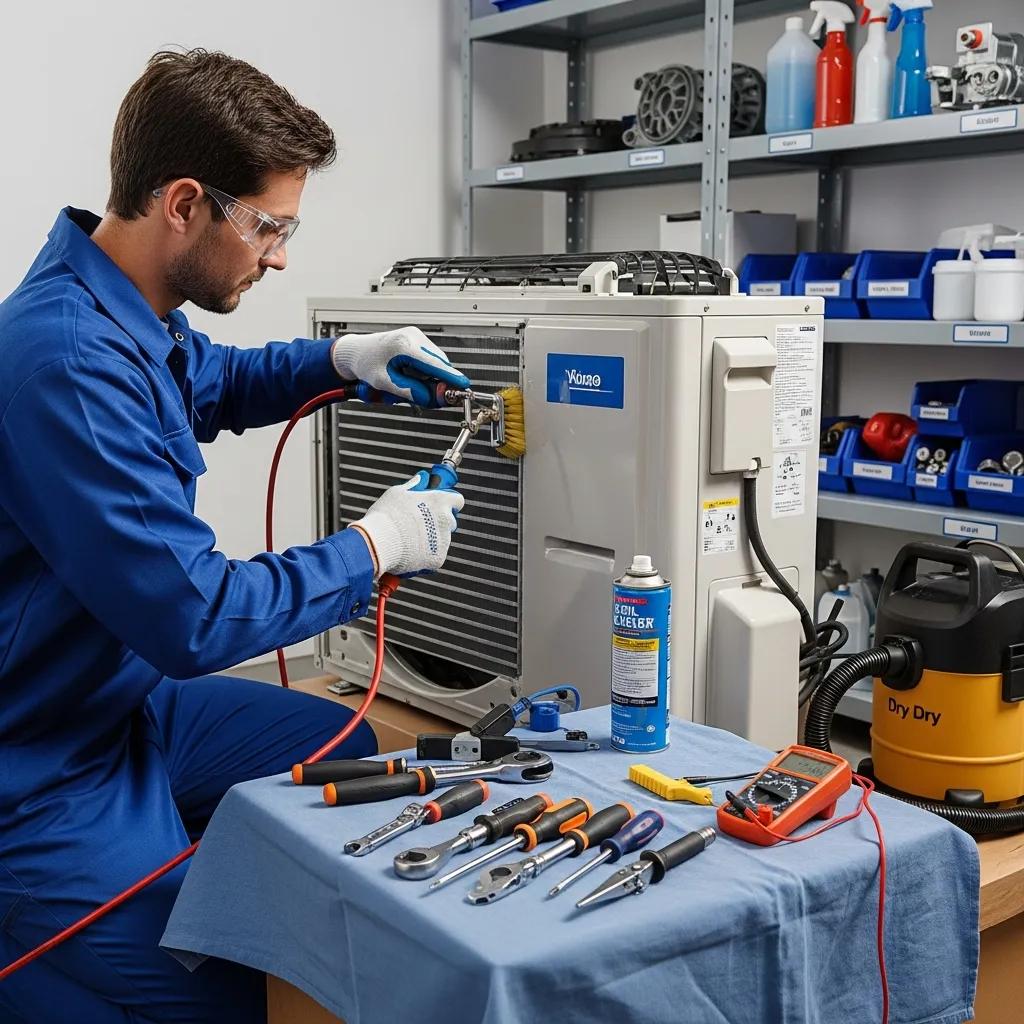
Routine professional maintenance is crucial for peak HVAC performance and efficiency. Like a car needs tune-ups, your system benefits from periodic inspections and adjustments. These services catch minor problems early, preventing costly repairs, saving energy, and ensuring year-round comfort.
What a maintenance plan gives you
A regular service plan with a trusted provider offers clear, tangible benefits beyond immediate fixes:
- Improved Efficiency: Professional tune-ups involve a thorough inspection and cleaning of all critical components. Technicians can identify and address minor issues like dirty coils, loose electrical connections, or low refrigerant levels that might otherwise go unnoticed. By catching these problems early, the system can operate as intended, using less energy to achieve desired temperatures and maintaining optimal performance.
- Extended Lifespan: Regular maintenance is preventative care. By ensuring all parts are clean, lubricated, and functioning correctly, technicians reduce wear and tear on the system. This proactive approach helps components last longer, postponing costly replacements of major parts like compressors or furnaces, and ultimately extending the overall lifespan of your entire HVAC unit.
- Lower Energy Bills: A well-tuned and properly maintained system runs cleaner and more efficiently. This means it uses less fuel or electricity to heat or cool your home, directly translating into noticeable savings on your monthly utility bills. The energy savings often outweigh the cost of the maintenance plan itself, making it a smart financial investment.
These are practical returns on a modest investment in professional care. Contact us to learn more about our comprehensive maintenance plans and their specific benefits for your home.
Essential tasks for peak performance
While professional maintenance is vital, there are also key tasks you can keep on your checklist to maintain efficiency between visits:
- Change Air Filters: This is perhaps the simplest yet most impactful DIY task. Replace your air filters every 1–3 months, or even more frequently if you have pets, allergies, or live in a dusty environment. A clean filter ensures good airflow, prevents dust and debris from accumulating on internal components, and keeps your system from overworking.
- Clean Coils: The evaporator coil (indoor) and condenser coil (outdoor) are responsible for heat exchange. Over time, they can become covered in dirt and grime, which acts as an insulator and hinders their ability to transfer heat efficiently. Professional cleaning of these coils annually helps the system move heat effectively, preventing it from struggling and consuming excess energy.
- Inspect Ductwork: Periodically check visible sections of your ductwork for any obvious signs of leaks, disconnections, or damage. Even small gaps can lead to significant energy loss. Sealing these gaps with mastic sealant or specialized foil tape prevents conditioned air from escaping, improves airflow balance throughout the house, and ensures your system isn’t working harder than it needs to.
Consistently performing these tasks, yourself or with professional assistance, significantly improves system efficiency and longevity. Book a service with us to keep your system in top shape for any season.
Smart thermostat strategies that save energy
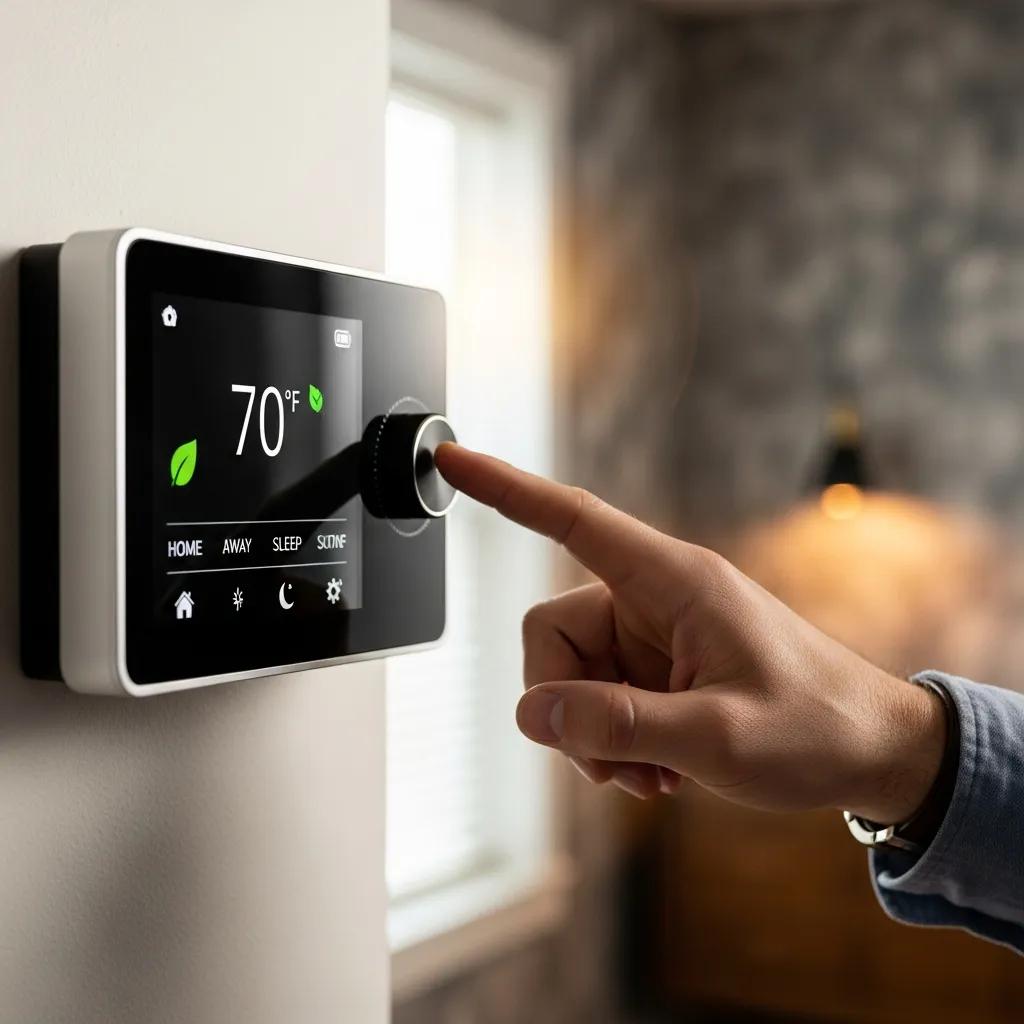
Smart thermostats offer a significant leap in home energy management, providing unparalleled convenience and measurable savings. By intelligently managing temperature, they reduce HVAC run time while maintaining comfort. These devices offer sophisticated features that adapt to your lifestyle, avoiding unnecessary energy consumption.
How programmable and smart thermostats help
These advanced devices empower you to automate temperature changes and eliminate energy waste, often without you having to think about it. For example:
- Temperature Adjustments: Smart thermostats allow you to create detailed schedules that automatically adjust your home’s temperature based on your daily routine. You can program them to lower heating or raise cooling when the house is empty during work hours, or to adjust temperatures at night when you’re asleep. This ensures you’re only conditioning your home when it’s occupied and needed, saving significant energy without sacrificing comfort during active hours.
- Remote Access: A key feature of many smart thermostat models is the ability to control them via mobile apps from anywhere in the world. This means if your plans change, or you simply forgot to adjust the thermostat before leaving, you can easily change settings remotely. This prevents your system from running unnecessarily, offering peace of mind and tangible energy savings.
Smart thermostats help your HVAC system work smarter, not harder, by aligning operation with your actual needs. Ask us about installation and setup services to unlock these benefits.
Advanced smart thermostats with occupancy sensing, geofencing, and learning capabilities further reduce energy use by automatically adjusting settings when nobody’s home or by learning preferences for optimized schedules.
Why zoning systems and Wi‑Fi thermostats matter
Zoning systems and Wi-Fi thermostats offer unprecedented control over your home’s climate, enhancing comfort and significantly reducing waste:
- Zoning Systems: Imagine being able to set different temperatures in separate areas or “zones” of your home. That’s precisely what a zoning system allows. Instead of heating or cooling the entire house to one temperature, you can direct conditioned air only where it’s needed. For instance, you can keep bedrooms cooler at night while maintaining a warmer temperature in living areas, or completely turn off conditioning in unused guest rooms. This targeted approach drastically cuts down on wasted energy by avoiding the conditioning of empty spaces.
- Wi-Fi Thermostats: Beyond basic programmability, Wi-Fi thermostats provide real-time monitoring of your system’s performance and energy usage. This data can be accessed through a mobile app, allowing you to fine-tune energy use around your schedule, track trends, and identify opportunities for further savings. The ability to control your system from anywhere means you’re always in command, ensuring optimal comfort and efficiency regardless of your location.
These upgrades boost comfort and efficiency, making your home more responsive. Contact us to explore the best zoning and smart thermostat choices tailored to your home and family needs.
How home envelope improvements make your HVAC more effective
The “home envelope” is the physical barrier between your home’s interior and exterior (roof, walls, windows, doors, foundation). Improving its integrity with enhanced insulation and air sealing dramatically reduces HVAC workload. A tighter home retains conditioned air more effectively, meaning your HVAC runs less, leading to substantial energy savings.
Why duct sealing is a high-value upgrade
Leaky ducts are a pervasive problem, often wasting 20–30% or more of conditioned air into unconditioned spaces like attics or crawlspaces. Sealing ducts is a high-value upgrade addressing this inefficiency in two main ways:
- Improve Airflow: By sealing all cracks, gaps, and disconnections in your ductwork, you ensure that the conditioned air produced by your HVAC system is delivered directly to the rooms where it’s intended. This maximizes the effectiveness of your heating and cooling, preventing energy loss and ensuring that every dollar spent on conditioning your air goes towards making your living spaces comfortable.
- Enhance Comfort: Leaky ducts often lead to uneven temperatures throughout the house, creating uncomfortable hot and cold spots. When ducts are properly sealed, airflow is balanced, and conditioned air is distributed more uniformly. This reduces drafts and ensures your home stays consistently comfortable from room to room, eliminating those frustrating temperature disparities.
Duct sealing often provides rapid payback through lower energy bills and improved comfort. Schedule a professional duct inspection to assess your ductwork and discover potential savings.
Field research and energy audits consistently support duct sealing as a highly effective and cost-efficient way to lower energy consumption, improve indoor air quality, and boost HVAC performance, making it a foundational step in home energy efficiency.
The role of insulation and air sealing
Beyond ductwork, comprehensive insulation and meticulous air sealing across your home envelope are critical for a stable indoor climate and reduced HVAC runtime. These improvements work in tandem to create a more efficient and comfortable living environment. Benefits include:
- Reduced Energy Costs: Good insulation acts as a barrier to heat transfer, keeping heat inside during winter and outside during summer. Air sealing addresses uncontrolled air leakage through cracks and gaps in walls, ceilings, and around windows and doors. Together, they minimize heat gain or loss, meaning your HVAC system runs less frequently and for shorter durations, directly lowering your utility bills.
- Enhanced Comfort: A well-insulated and air-sealed home experiences fewer drafts and more stable indoor temperatures throughout the day and night. This eliminates uncomfortable cold spots in winter and hot spots in summer, creating a more consistent and pleasant living environment for everyone in the household.
These upgrades complement HVAC improvements, creating a holistic approach to home energy efficiency. Contact us to discuss how we can help tighten your home’s envelope through expert insulation and air sealing, ensuring your HVAC operates most effectively.
When to consider energy-efficient HVAC upgrades
While maintenance and minor improvements boost efficiency, replacing an old or inefficient system with modern, higher-rated equipment eventually becomes the most cost-effective solution. This is especially true if your system is over 10-15 years old, frequently needs costly repairs, or struggles to maintain comfort, indicating excessive energy consumption.
Benefits of higher SEER and HSPF equipment
When considering new HVAC equipment, you’ll encounter SEER (Seasonal Energy Efficiency Ratio) for ACs and HSPF (Heating Seasonal Performance Factor) for heat pumps. Higher ratings indicate better energy efficiency. Advantages of investing in higher SEER and HSPF equipment are substantial:
- Lower Energy Bills: More efficient equipment uses less power to deliver the same amount of heating or cooling. This directly translates into noticeable reductions on your monthly utility bills, often providing a significant return on your initial investment and shortening the payback period for the new system.
- Environmental Impact: By consuming less energy, higher-efficiency HVAC systems contribute to a smaller carbon footprint for your home. Using less electricity or natural gas reduces greenhouse gas emissions, aligning with environmental sustainability goals and making your home more eco-friendly.
We’ll help you navigate ratings and choose the right system that meets your comfort needs and ensures higher SEER or HSPF translates into tangible savings for your climate and usage.
While SEER and HSPF indicate potential efficiency, actual savings depend on installation quality, climate, home insulation and air sealing, and system usage and maintenance.
How heat pumps compare to furnaces
For many homeowners, especially in mild to moderate climates, a heat pump is a highly advantageous energy-efficient upgrade. Heat pumps move existing heat rather than generating it. In winter, they extract heat from outdoor air and transfer it indoors; in summer, they reverse the process. Key benefits include:
- Dual Functionality: One of the most compelling advantages of heat pumps is their ability to provide both heating and cooling from a single unit. This eliminates the need for separate furnace and air conditioning systems, simplifying your HVAC setup and often reducing overall equipment costs.
- Lower Operating Costs: Because heat pumps transfer heat rather than generating it, they are incredibly energy-efficient, often providing 3 to 4 units of heat energy for every 1 unit of electrical energy consumed. This makes them significantly more efficient than traditional furnaces, especially electric resistance furnaces, leading to substantial reductions in monthly energy bills.
For many, a heat pump is a smart efficiency upgrade and a comprehensive solution for year-round comfort. Contact us to discuss heat pump options tailored to your home and climate, and to understand long-term savings.
Simple DIY checks to keep efficiency steady between services
You don’t need to be an HVAC expert to help your system run well and maintain efficiency. Basic, regular checks prevent minor issues from escalating, extend equipment life, and ensure consistent performance between professional visits.
Cleaning outdoor units and replacing filters
Regular, simple care maintains your system’s health and efficiency:
- Cleaning Outdoor Units: Your outdoor condenser unit (for ACs and heat pumps) needs clear airflow to efficiently dissipate heat. Periodically clear away leaves, grass clippings, dirt, and any other debris that accumulates around the unit. Ensure there’s at least two feet of clear space around all sides of the unit. This prevents airflow obstruction, allowing the unit to shed heat properly and operate without undue strain.
- Replacing Air Filters: As previously emphasized, regularly swapping out dirty air filters is paramount. Make it a habit to check and replace filters every 1–3 months, or more frequently if you have pets, allergies, or live in a dusty environment. A clean filter ensures optimal airflow, prevents dust from loading system components, and maintains the efficiency of your entire HVAC system.
These simple tasks significantly improve performance, reduce energy consumption, and minimize unexpected problems. Our skilled technicians are ready to help if you prefer.
Common vent obstructions and drain line tips
Addressing these easy-to-fix issues prevents common problems and maintains efficiency:
- Vent Obstructions: Ensure that all supply and return vents throughout your home are unobstructed. Keep furniture, rugs, curtains, and other household items away from vents so that conditioned air can circulate freely into and out of your rooms. Blocked vents force your system to work harder to push air, leading to uneven temperatures and wasted energy.
- Drain Line Maintenance: Your HVAC system’s condensate drain line removes moisture collected during the cooling process. Check this line regularly for clogs, which are often caused by algae or mold growth. A clogged drain line can lead to water backups, potential water damage, and even cause your system to shut down. Pouring a cup of distilled vinegar down the drain line a few times a year can help prevent clogs.
Small, regular checks extend system life, improve efficiency, and help avoid inconvenient breakdowns. If you notice persistent issues, schedule a professional inspection with us.
| Maintenance Task | Frequency | Benefits |
|---|---|---|
| Change Air Filters | Every 1-3 months | Improves airflow and efficiency, reducing strain on your system and enhancing indoor air quality |
| Clean Coils | Annually (professional) | Enhances heat exchange efficiency, prevents system overheating, and extends component lifespan |
| Inspect Ductwork | Every 1-2 years (professional) | Prevents energy loss, improves comfort by sealing leaks, and ensures balanced airflow |
| Clear Outdoor Unit Debris | Monthly/Seasonally | Ensures proper heat dissipation and prevents system overwork |
| Check Condensate Drain | Monthly/Seasonally | Prevents water damage and system shutdowns due to clogs |
Adhering to a consistent maintenance schedule, combining DIY efforts and professional service, is the most effective way to help your HVAC perform better, last longer, and save money. Contact us to set up a comprehensive maintenance plan tailored to your needs.
| Upgrade Type | Efficiency Rating | Benefits |
|---|---|---|
| High SEER AC | 16+ SEER | Significantly lower energy bills, reduced environmental impact, and enhanced cooling performance |
| High HSPF Heat Pump | 8.5+ HSPF | Highly efficient heating and cooling, substantial energy savings, and dual-functionality from one unit |
| Smart Thermostat | N/A (Efficiency through control) | Optimizes energy use through intelligent scheduling, remote control, and advanced features like geofencing and occupancy sensing |
| Duct Sealing | Up to 20-30% energy savings | Prevents conditioned air loss, improves airflow balance, and eliminates hot/cold spots |
| Insulation & Air Sealing | Significant energy reduction | Reduces heat gain/loss, enhances comfort, and lowers HVAC workload |
Upgrading to more efficient equipment and improving your home’s envelope delivers meaningful, long-term savings and comfort gains. Check our current promotions and let us help you evaluate the best options, providing a clear understanding of ROI.
Conclusion
By diligently applying these practical tips—routine maintenance, smart thermostat usage, home envelope improvements, and strategic equipment upgrades—you will see improved efficiency, lower energy bills, and a more comfortable home.
If you prefer professional help or expert guidance, Precision Air Inc. provides a full range of HVAC services, from comprehensive maintenance plans to expert installations and repairs, tailored to maximize your home’s comfort and efficiency. Ready to save energy, enhance comfort, and ensure your HVAC runs at its best? Schedule your service today for a more efficient home!