

Heating System Maintenance Tips to Save Money Today: Cut Costs and Run Your System More Efficiently
Higher winter energy bills make efficient heating essential. This guide lays out practical heating system maintenance tips you can use now to save money, explains which jobs are safe for DIY, and shows when a professional tune‑up is the better investment. You’ll learn how routine upkeep restores efficiency, which quick checks lower bills, and the warning signs that mean it’s time to call a technician. The article walks through how maintenance cuts costs, safe filter schedules and DIY tasks, triggers for pro service, and how Precision Air Inc. supports San Diego County homeowners with local maintenance plans and seasonal offers. Follow these steps to reduce energy waste, avoid emergency repairs, prolong equipment life, and keep your home comfortable.
If you live in San Diego County and want reliable heating help, Precision Air Inc. provides full-service maintenance and repairs to keep homes comfortable and energy-efficient all winter.
How Does Regular Heating System Maintenance Lower Your Energy Bills?
Keeping your heating system maintained restores the performance it had when it was new: better airflow, correctly adjusted controls, and cleaner combustion all reduce the energy required to heat your home. Clean filters and lubricated motors ease blower and burner workload; a calibrated thermostat stops overheating and short cycling. Those mechanical and control improvements add up to measurable savings, fewer costly breakdowns, and lower safety risks. Below are the main ways maintenance saves energy and why each matters.
- Improved airflow: Clean filters and clear vents shorten blower runtime and cut electricity use.
- Optimized combustion and burners: Clean burners and correct gas pressure produce more heat per unit of fuel.
- Accurate thermostat control: Proper calibration and programmed setbacks prevent wasted heating when no one’s home.
Typical savings from routine care include:
- Efficiency gains: A proper tune‑up commonly lowers fuel or electricity use by 5%–15%.
- Fewer repair bills: Early detection of wear reduces the chance of expensive emergency fixes.
- Longer equipment life: Regular service delays replacement and spreads capital costs over more years.
What Are the Best Furnace Maintenance Tips to Save Money?

Focus on simple tasks that restore heat transfer and reduce wasted runtime. Replace or clean the air filter regularly—restricted filters force blowers to work harder and raise energy use. Keep combustion areas and burners clear of dust so fuel burns efficiently; poor combustion wastes fuel and can damage heat exchangers over time. Verify thermostat programming so you’re not heating empty rooms. These low-cost, quick actions deliver immediate energy benefits that add up through the season.
How Can Energy Efficiency Improvements Reduce Your Winter Heating Bill?
Efficiency upgrades cut heat loss and shorten run times by improving the building envelope and system controls. Sealing and insulating accessible ducts improves delivery efficiency and reduces how long the system needs to run. Air‑sealing windows, doors, and attic penetrations slows heat escape so the furnace runs less often. A smart or programmable thermostat lets you set setbacks at night and while away, trimming consumption without sacrificing comfort. Together, small reductions in runtime produce noticeable monthly savings and steadier indoor temperatures.
What DIY Heating Maintenance Tasks Can You Safely Perform at Home?
Many homeowners can do basic maintenance safely and capture quick savings, while recognizing when to call a pro. Easy, safe tasks include changing filters, clearing floor and wall vents, checking thermostat settings, and adding simple draft seals around doors and windows. Always switch off power before working on standalone electric heaters, and never attempt gas valve or burner adjustments—those should be handled by trained technicians. The table below compares common DIY tasks by difficulty, tools, and recommended frequency to help you prioritize.
Intro note: Use the table to judge DIY heating tasks by time, tools, and safety so you can focus on the most effective, low-risk work.
| Task | Difficulty / Tools Needed | Frequency / Safety Notes |
|---|---|---|
| Replace air filter | Low; replacement filters and gloves | Every 30–90 days; check monthly if you have pets or allergies |
| Clear vents and registers | Low; screwdriver, vacuum | Quarterly; don’t block return vents |
| Thermostat programming | Low; no tools | Adjust seasonally; use setback schedules to save energy |
| Basic draft sealing | Low; weatherstripping, door sweeps | Annually before heating season; avoid structural work |
Bottom line: These DIY steps are fast and effective, but stop and call a professional for anything involving gas lines, internal furnace components, or electrical wiring.
How Often Should You Replace Your Furnace Air Filter?
How often to replace filters depends on filter type and home conditions. Standard fiberglass or pleated filters should be checked every 30–90 days; homes with pets, allergies, or heavy dust usually need changes about every 30 days to prevent restricted airflow. Higher‑MERV filters can boost air quality but may increase airflow resistance—use a filter rated for your system and watch for pressure drop. Regular replacement reduces blower strain, lowers energy use, and keeps heating performance consistent through the season.
What Are Simple Steps to Clear Vents and Seal Drafts for Better Heating?
Clearing vents and sealing drafts are low-cost, high-impact ways to improve heat distribution. Vacuum supply and return registers, make sure vents are fully open and not blocked by furniture or rugs, and confirm return grilles are unobstructed for balanced airflow. For drafts, check doors and windows for cold spots and add weatherstripping or door sweeps where needed; use outlet gaskets on exterior walls. These quick fixes reduce heat loss and let your system maintain set temperatures with fewer cycles.
When Should You Call Professionals for a Heating System Tune-Up?
Call a professional when safety, complexity, or warranty concerns are involved, or when symptoms point to problems you shouldn’t tackle yourself. Professional service is necessary for gas line checks, heat‑exchanger inspection, electrical diagnostics, combustion testing, and any carbon monoxide worries. Pre‑season inspections spot worn belts, failing motors, low refrigerant in heat pumps, and corrosion before they cause breakdowns. The short checklist below helps you decide when to book a technician.
- Visible rust or corrosion on key components: Potential safety or failure risk.
- Strange odors or soot near the furnace: Could indicate combustion or venting issues.
- Irregular cycling or noisy operation: Signs of mechanical or control problems.
- Higher bills despite normal use: May point to loss of system efficiency.
Below is a quick comparison of common professional services and why each matters for safety and long‑term cost avoidance.
| Service Element | Includes / Benefit | When Needed |
|---|---|---|
| Safety inspection | Combustion analysis and CO testing | Pre‑season, safety concerns, or older units |
| System tune-up | Clean burners/blower, lubrication, filter check | Annually (or as recommended) for reliable performance |
| Controls calibration | Thermostat and control testing | When heating is uneven or cycling oddly |
| Duct inspection | Leak detection and sealing recommendations | When rooms are unbalanced or bills are high |
Summary: A professional tune‑up finds wear early, ensures safe combustion and ventilation, and restores efficient operation so you avoid costly emergencies. For local help in San Diego County, Precision Air Inc. offers expert maintenance and can advise when a service call is the smartest move.
What Does a Professional Heating Maintenance Service Include?
A professional maintenance visit follows a checklist to restore safe, efficient operation and catch failures early. Technicians inspect combustion parts, test safety controls and carbon monoxide levels, clean burners and blowers, verify gas pressure or electrical integrity, and calibrate thermostats. They’ll also look for visible duct leaks and recommend sealing where it will improve delivery efficiency. Using trained technicians reduces emergency breakdowns and can be included in maintenance plans that provide priority service and repair discounts.
How Do Professional Tune-Ups Prevent Costly Repairs and Extend Equipment Lifespan?
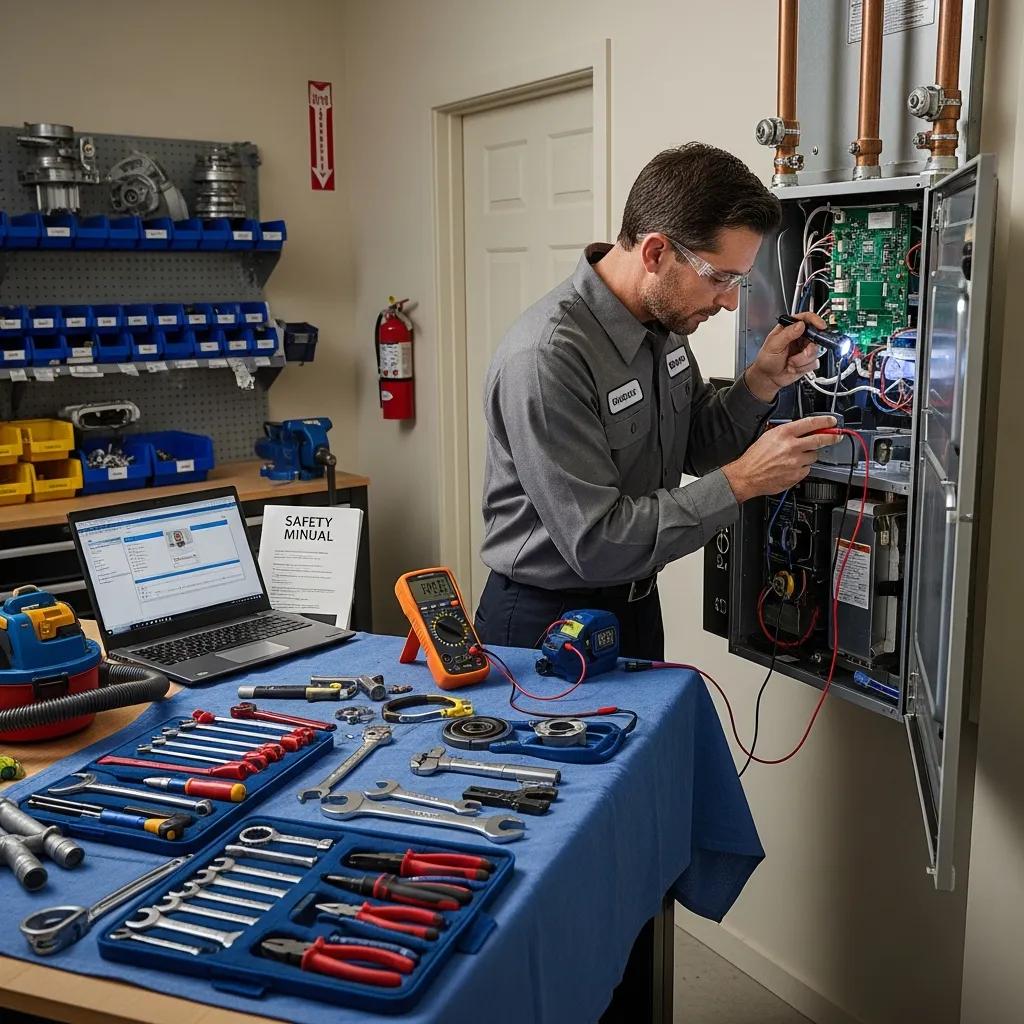
Tune‑ups catch small issues—loose electrical connections, worn belts, or light corrosion—before they turn into major failures. By restoring proper clearances, combustion efficiency, and airflow, routine service reduces stress on key parts, lowering failure rates and extending the life of components like the heat exchanger and blower. That preventive approach saves money in two ways: lower energy use from better efficiency and fewer emergency repairs or premature replacements. Documented maintenance also helps homeowners plan replacements instead of reacting in a crisis.
How Can Precision Air Inc. Help You Maximize Savings and Comfort in San Diego?
Based in Encinitas and serving San Diego County, Precision Air Inc. provides local heating maintenance and tune‑ups that turn technical gains into real bill savings and reliable performance. Our technicians perform the safety inspections and tune‑up tasks described above and pair them with money‑saving options like maintenance contracts, seasonal promotions, and priority dispatch. As a customer‑focused, family‑owned company, we work with trusted manufacturers such as Trane and hold certifications like EPA and Google Guaranteed to back our work. For many San Diego homeowners, enrolling in a maintenance plan is the most cost‑effective way to keep systems efficient and avoid unexpected breakdowns.
Introductory table: The comparison below outlines example maintenance plan tiers so you can see typical inclusions and value for local homes.
| Plan Name | Services Included | Price Range / Savings |
|---|---|---|
| Basic Tune-Up | Annual inspection, filter check, safety test | Best for budget-conscious homeowners |
| Priority Plan | Annual tune-up, priority scheduling, repair discounts | Best for households seeking peace of mind |
| Comprehensive Care | Tune-up, duct check, seasonal discounts | Best for high-use or older systems |
Summary: The right plan depends on system age, household needs, and how much peace of mind you want. Maintenance plans bundle preventive care and discounts that usually deliver better ROI than paying for repairs as they arise. To schedule service or learn about current promotions, contact Precision Air Inc. for guidance tailored to San Diego County homes.
What Exclusive Maintenance Plans and Discounts Are Available?
Precision Air Inc. offers tiered maintenance plans that prioritize preventive care and predictable costs for homeowners who prefer planning over surprise repairs. Typical plan features include annual tune‑ups, priority scheduling, and discounts on parts and labor; higher tiers may add duct inspections and seasonal checks. These plans lower repair spending by catching issues early and offering discounted service rates. Our seasonal promotions can reduce first‑year costs—compare plan benefits against your expected service needs to choose the best fit.
Why Choose Precision Air Inc. for Your Heating System Needs?
Precision Air Inc. stands out for local San Diego expertise, a customer‑first approach, and full heating services from maintenance and repair to installation—with Trane among our featured manufacturers. Our trained technicians focus on money‑saving solutions through maintenance contracts, promotions, and discounts that align with the efficiency strategies above. Certifications like EPA recognition and Google Guaranteed reflect our professional standards and consumer protections. For reliable local service that prioritizes safety and savings, contact Precision Air Inc. to discuss scheduling and plan options tailored to your home.
Conclusion
Regular, targeted heating maintenance improves efficiency, reduces monthly bills, and lowers the chance of costly emergencies. Use the tips above, know when to call a pro, and consider a maintenance plan to protect your system. For personalized recommendations and local service in San Diego County, enroll in a Precision Air Inc. plan to keep your home comfortable and your costs down this winter.