
An air conditioner or heat pump does more than change the temperature. When it runs, it also removes moisture from the air if the system is working as designed. A clogged drain, a dirty coil, a system that is the wrong size or leaky return ducts that pull humid attic or crawl-space air can leave indoor moisture higher than it should be. Mold needs a damp surface to grow, so those equipment and duct problems matter.
Precision Air Inc inspects and services the system, drains, coils, ducts, filtration and, when they fit, humidity equipment and in-duct air purification products for San Diego County homes, including Encinitas, Carlsbad, Oceanside, Del Mar and Solana Beach. We do not test for mold or perform mold remediation. If you can see growth on a surface, a qualified mold professional should handle that work.
Moisture is the main issue
The U.S. Environmental Protection Agency's guidance is straightforward: the way to control indoor mold growth is to control moisture. EPA recommends keeping indoor relative humidity below 60 percent, and ideally between 30 and 50 percent, and it specifically calls out clean air-conditioning drip pans and unobstructed drain lines. ENERGY STAR describes the same 30 to 50 percent range as a typical indoor target. A simple hygrometer will show you where the house sits. Those are comfort and building-moisture targets, not a guarantee about any particular room, and HVAC work does not replace a building repair.
How an HVAC system can add or leave moisture behind
Clogged or slow condensate drains and drain pans
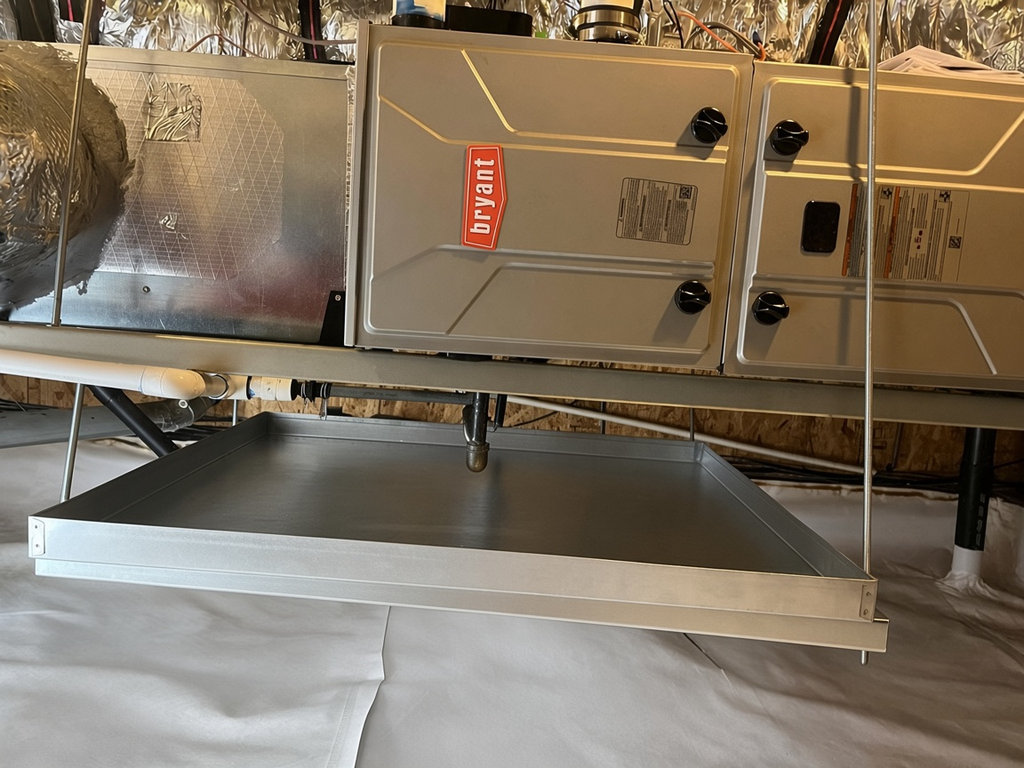
Condensate from the indoor coil has to leave through a drain line. Heat pumps can also make condensate in heating mode. If the line clogs, water backs up in the drain pan; some systems shut off on a float switch, and others overflow first. If you see water at the indoor equipment, turn the system off at the thermostat and avoid standing in the water or resetting breakers. We clear the line, check the pan and the safety switch and look for why it clogged. Cooling tune-ups on our Precision Care Maintenance Plans include flushing the drain and testing its safety switch; Preferred and Premier plans also include drain treatment. Details are on the maintenance page.
Dirty evaporator coils
A dirty indoor coil does not condense moisture the way a clean coil does, and debris can hold water and interfere with drainage. We inspect the indoor coil where it is accessible on a cooling visit and tell you before any added work. Bryant UV lights, which we install at the coil and drain pan, are meant to help keep the coil cleaner while the system runs. They do not replace filtration, drain service or moisture control, and they are not mold remediation.
Oversized systems that short-cycle
A system that is too large can cool the air quickly and shut off before the coil has time to remove much moisture. The rooms may reach the thermostat set point and still feel damp. If we are looking at a replacement, the right size is confirmed at a design consultation, paid at the visit and credited toward your job if you go ahead. See what to expect during an HVAC installation and, if the equipment is already in the typical service-life range, how long a home HVAC system lasts. Permitted replacements in San Diego County often also need HERS testing; see permits and HERS testing.
Leaky return ducts, attic air and duct condensation
Leaky return ducts can pull humid air from an attic, crawl space or wall cavity into the system. When that air meets a cold, poorly insulated duct, water can form on the duct surface. We inspect ductwork, seal leaks and repair or replace sections when they are damaged or undersized; see our ductwork replacement page. We also offer duct cleaning to cut down on dust and debris. Duct cleaning is not mold remediation. If you can see growth inside the ducts, a qualified mold professional should evaluate that first.
Filters, MERV ratings and airflow
A dirty filter restricts airflow and can make the indoor coil too cold, which leads to icing, poor dehumidification or water where it should not be. Change the filter on schedule, and do not pack it in so tightly that air bypasses it. MERV is a filter rating: a higher number captures smaller particles, but it also has to match the system's airflow. We install media-filter cabinets and whole-home filtration, including Bryant media in a range of MERV ratings, and we confirm the fit at the visit. Details are on our indoor air quality page.
In-duct air purification products
We also install in-duct air purification products when they fit the system. The iWave-R is a self-cleaning ionization device that mounts in or on the duct or magnetically near the indoor fan, after the return filter. The Fresh-Aire UV APCO unit is a duct-mounted UV-C light with six activated carbon cells in the central system. These products are not a substitute for moisture control, drain service or filtration, and they are not mold remediation. If you can see growth, a qualified mold professional should handle that work.
Ventilation and everyday moisture
Showers, cooking and clothes dryers add water vapor to the house. EPA's moisture tips include running exhaust fans, venting dryers outdoors and using the air conditioner or a dehumidifier when humidity stays high. If humidity still stays high after the system, the drains and the ducts have been checked, we can install a whole-home dehumidifier, either tied into the duct system or as a freestanding unit.
Coastal San Diego humidity
Along the coast, salt air and marine-layer moisture can leave indoor spaces feeling damp, and mild temperatures mean the air conditioner may not run long enough on many days to wring much water out of the air. Inland homes more often run drier. If humidity stays high, we measure conditions at the visit and recommend service, duct sealing or, when it fits, a Bryant whole-home dehumidifier. Inland homes that run too dry in heating season may instead need a humidifier. We install both.
When to call a mold professional, and when to call us
Call a qualified mold professional when you can see growth on walls, ceilings, flooring, insulation or inside the ducts, or after a flood or building leak that wets materials. EPA recommends drying wet materials within 24 to 48 hours when possible, and fixing the water source. We do not test for mold or clean up visible growth. Call us for water at the indoor unit, a drain backup, a system that short-cycles or does not dehumidify, condensation on ducts, leaky returns, a dirty coil or a filter and airflow problem.
On a visit we can inspect and clear drains, inspect the indoor coil, check filters and airflow, look at ductwork and review sizing and how the system is running. When the job calls for it, we install filtration, UV lights at the coil and drain pan, in-duct air purification products such as the iWave-R and Fresh-Aire UV APCO and whole-home humidifiers or dehumidifiers. New indoor air quality equipment starts with a design consultation, paid at the visit and credited toward your job if you go ahead. A Precision Care Maintenance Plan keeps drains flushed and coils inspected on a schedule, with a written report after each visit.
Office hours are Monday through Friday, 8 am to 5 pm. After hours, our answering service takes your message and our office follows up the next business day. Send us a message or call (760) 858-8000.
Frequently asked questions
Does a clogged condensate drain raise indoor moisture?
Yes. When the drain line clogs or runs slowly, condensate backs up in the drain pan and can overflow around the furnace or air handler. We clear the line, check the pan and the safety switch and look for why it clogged.
What indoor humidity should I aim for?
EPA recommends keeping indoor relative humidity below 60 percent, and ideally between 30 and 50 percent. ENERGY STAR uses the same range as a typical indoor target. A hygrometer will show you the reading in the room.
Does Precision Air Inc test for or remove mold?
No. We do not perform mold testing or mold remediation. If you can see growth on a surface or inside the ducts, hire a qualified mold professional. We handle the HVAC side: drains, coils, duct leaks, airflow, sizing and humidity equipment.
When should I call an HVAC technician, and when should I call a mold professional?
Call us for water at the indoor unit, a drain backup, a system that short-cycles or will not dehumidify, condensation on ducts, leaky returns, a dirty coil or a filter and airflow problem. Call a qualified mold professional for visible growth or after a flood or a building leak that wets materials.
Need service? Call (760) 858-8000, Monday–Friday 8–5, or send us a message.