
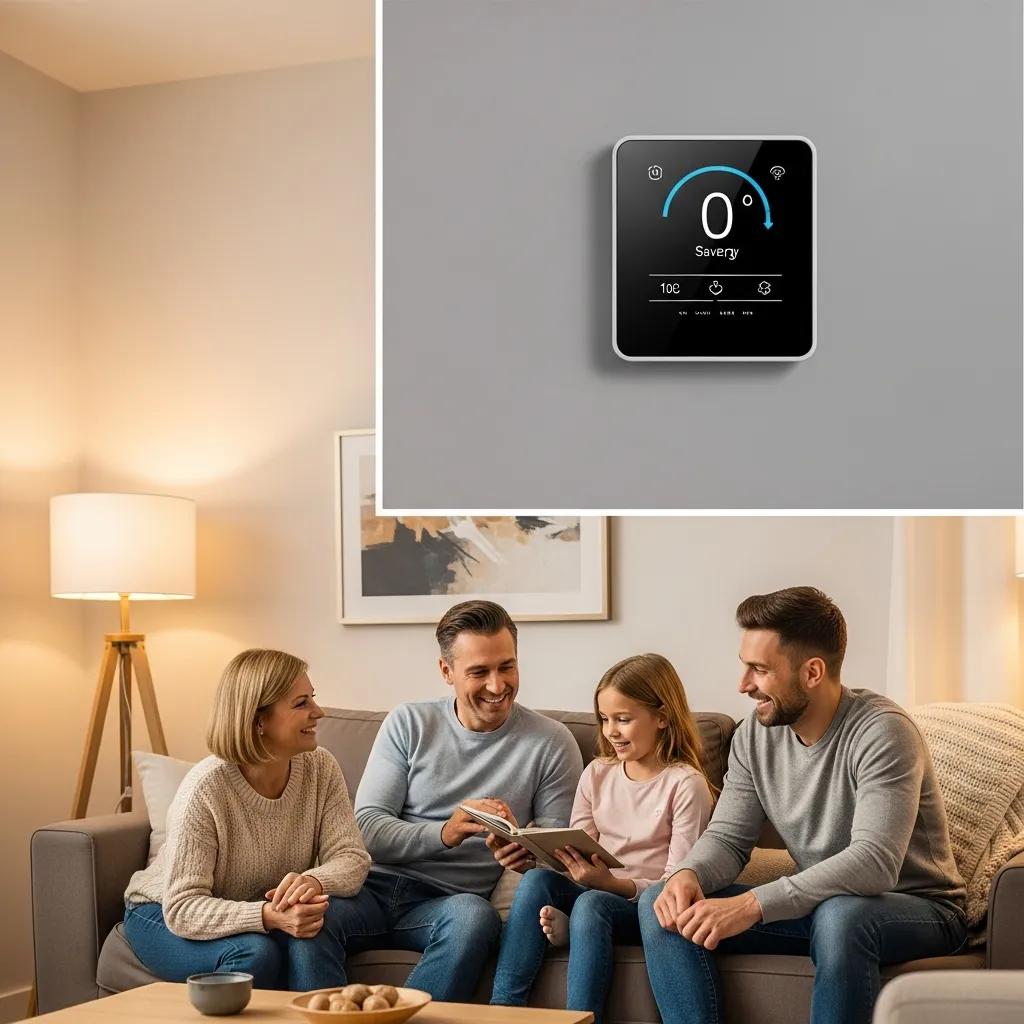
Find the Right Temperature for Comfort & Savings: Practical Settings and Energy-Smart Tips
Keeping your home comfortable without overpaying for energy takes a few smart choices. Many homeowners wrestle with finding that balance — a cozy house that doesn’t cost a fortune to run. This guide walks through sensible temperature settings, the real benefits of smart thermostats, and practical HVAC tips you can use today. We’ll touch on commercial best practices and when an HVAC upgrade makes financial sense. By the end, you’ll have clear, usable steps to help your home feel better and run more efficiently.
What Is the Ideal Home Temperature for Comfort and Energy Savings?
For most homes, a good range for comfort and efficiency is about 68°F–70°F in winter and 75°F–78°F in summer. Those targets keep most people comfortable while helping to limit energy use. Even changing your thermostat a few degrees can make a noticeable difference on your utility bill, so it’s worth finding the setting that works for your household. Experimenting slightly within these ranges can help you discover the perfect balance for your family’s comfort and energy consumption.
What Are Recommended Thermostat Settings for Summer and Winter?
In summer, 78°F is a practical balance between comfort and cooling efficiency. In winter, 68°F is a good starting point for heating efficiency — heating efficiency. When you’re away from home, nudging the thermostat 7–10 degrees in either direction can cut energy use without sacrificing comfort when you return. These adjustments are simple yet highly effective strategies for managing your energy footprint throughout the year.
How Do Temperature Adjustments Impact Energy Bills and Comfort?
Small tweaks add up. Dropping your heating setpoint by 1°F can save roughly 1–3% on heating costs; raising the cooling setpoint by 1°F can save a similar amount on cooling. The key is balancing what feels good with what makes sense on your bill. Consistent, efficient settings also help your HVAC system run more smoothly over time, extending its lifespan and reducing the likelihood of unexpected repairs.
Research shows that intentional thermostat strategies can boost both comfort and a home’s energy flexibility. By actively managing your thermostat, you contribute to a more responsive energy grid and enjoy a consistently comfortable living environment. This proactive approach empowers homeowners to take control of their energy usage.
How Can Smart Thermostats Improve Comfort and Cut Energy Costs?

Smart thermostats learn your routine and adjust temperatures so you’re comfortable when you’re home and saving energy when you’re not. They help your heating and cooling run only when needed, which both improves comfort and reduces wasted energy. This intelligent automation ensures your home is always at an optimal temperature, preventing unnecessary energy consumption and enhancing overall efficiency.
What Are the Benefits of Programmable and Smart Thermostats?
Programmable and smart thermostats give you remote control, usage insights, and easy scheduling. That means you can change settings from your phone, check energy reports, and set a schedule that matches your life — so your home feels right when you walk in the door. These advanced features provide unparalleled convenience and empower you to manage your home’s climate with precision, even when you’re away.
How Does Smart Thermostat Automation Optimize Temperature Control?
Automation features like scheduling and geofencing adjust temperatures based on who’s home and when. If you leave the house, the thermostat can shift to energy-saving settings automatically. Those automations reduce wasted runtime and can lower monthly bills without you having to think about it. This hands-free approach to climate control ensures maximum efficiency and comfort.
Smart features such as geofencing are a big part of how these devices deliver both personalized comfort and measurable energy savings. By understanding your location, the thermostat can prepare your home for your arrival or scale back energy use when you’re out. This dynamic adjustment capability is a cornerstone of modern energy management.
What HVAC Energy Efficiency Tips Maximize Savings and System Performance?

Small maintenance steps and smart upgrades can make a big difference. Regular tune-ups, proper sealing, and targeted improvements help your system work less and last longer — which saves energy and money over time. Implementing these practices ensures your HVAC system operates at peak efficiency, providing consistent comfort and reducing operational costs.
How Does Regular HVAC Maintenance Improve Efficiency and Longevity?
Regular HVAC maintenance, like changing filters and inspecting components, keeps systems running efficiently and can extend equipment life. A well-maintained system uses less energy and tends to have fewer costly breakdowns. Aim for at least one annual check — twice a year if your usage is heavy. This proactive approach safeguards your investment and ensures reliable performance throughout the year.
Why Is Duct Sealing Important for Energy Efficiency and Comfort?
Leaky ducts waste conditioned air — studies estimate 20–30% of airflow can be lost in typical homes with unsealed ducts. Sealing and insulating ductwork reduces that loss, improves comfort, and lowers energy bills. Professional duct sealing is a cost-effective step toward better overall system performance. It ensures that the air you pay to heat or cool actually reaches its intended destination, maximizing efficiency.
How Do Commercial HVAC Energy Management Practices Support Comfort and Savings?
Businesses can realize significant savings through deliberate HVAC management. Proper thermostat strategies, scheduled maintenance, and energy audits uncover opportunities to reduce consumption while keeping occupants comfortable. These practices are essential for maintaining a productive environment while also managing operational expenses effectively.
What Are Optimal Thermostat Settings for Commercial Properties?
For commercial spaces, a practical range is usually 74°F–78°F in summer and 68°F–72°F in winter. Those settings may shift depending on occupancy, equipment loads, and specific business needs — but they provide a useful starting point for balancing comfort and cost. Tailoring these settings to your specific commercial environment can lead to substantial energy savings without compromising employee or customer comfort.
How Can Energy Audits Identify Savings Opportunities in Commercial HVAC Systems?
Energy audits examine how HVAC systems use energy and point out improvements, from equipment upgrades to control changes. Following audit recommendations often leads to measurable cost savings and better system performance. These comprehensive assessments provide a clear roadmap for optimizing energy consumption and reducing operational expenses.
Smart thermostats can supply the data auditors need to pinpoint inefficiencies and measure improvements. The detailed usage reports and performance metrics gathered by these devices offer invaluable insights. This data-driven approach allows for precise adjustments and verifiable energy savings.
When Should You Upgrade Your HVAC System for Better Comfort and Energy Savings?
Replacing or upgrading your HVAC can improve comfort and lower operating costs — but timing matters. Look for clear signs before making the investment. A timely upgrade can prevent larger issues down the line and ensure your home remains comfortable and efficient for years to come.
What Signs Indicate Your HVAC System Needs Replacement or Upgrades?
Watch for frequent breakdowns, rising energy bills, and rooms that never seem to reach the right temperature. If your system is around 10–15 years old and showing these issues, it’s a good time to consider an upgrade. Addressing these signs proactively can save you from more significant expenses and discomfort in the future.
How Do Energy-Efficient Heat Pumps and Zoning Systems Enhance Comfort?
Energy-efficient heat pumps and zoning systems offer targeted comfort and improved efficiency. Heat pumps perform very well in moderate climates, and zoning lets you control temperatures in different areas — so you only condition the rooms you use. These modern solutions provide personalized climate control, ensuring comfort where and when you need it most, while also reducing overall energy consumption.
How Does Indoor Air Quality and Humidity Control Affect Comfort and Energy Use?
Indoor air quality and humidity influence how warm or cool your home feels and how hard your HVAC has to work. Managing both improves comfort and can reduce energy use. A well-managed indoor environment contributes significantly to both the perceived comfort and the actual efficiency of your HVAC system.
Why Is Maintaining Proper Humidity Levels Crucial for Comfort?
Keeping humidity around 30%–50% helps most people feel comfortable. High humidity makes the air feel warmer and can raise cooling costs; low humidity can cause dryness and discomfort. Monitoring and adjusting humidity can make your home more comfortable without cranking the thermostat. This balance is key to achieving optimal thermal comfort and energy efficiency.
What Indoor Air Quality Solutions Improve HVAC Efficiency and Comfort?
Improving indoor air quality with air purifiers, better ventilation, and routine maintenance supports HVAC efficiency and a healthier home. Cleaner air means less strain on equipment and a more comfortable living space. Investing in these solutions not only enhances your well-being but also contributes to the longevity and efficiency of your HVAC system.
| Component | Task | How Often |
|---|---|---|
| Air Filter | Replace | Monthly |
| Ductwork | Inspect | Annually |
| Thermostat | Calibrate | Annually |
| Coils | Clean | Annually |
Take the Next Step Toward Comfort and Savings
Hitting the right balance of temperature, smart controls, and regular HVAC care will make your home more comfortable and reduce energy waste. Follow these tips and you’ll see improvements in comfort and lower utility bills. Taking these proactive steps ensures a more enjoyable living environment and significant long-term savings on your energy expenses.
Get in touch with us to schedule a consultation or service and start optimizing your HVAC for comfort and efficiency.
Start Your Journey to Enhanced Comfort and Efficiency Today!
A well-set thermostat plus the right technology and maintenance can make your home feel better and cost less to run. Smart thermostats, routine care, and targeted upgrades are practical steps toward lasting comfort and savings. Contact us today to learn how we can help you get the most from your HVAC system.