

Choosing Between Central Air and Ductless Systems: Comprehensive Home Cooling System Comparison for Informed Decisions in Encinitas, CA
At Precision Air Inc., we understand that selecting the right cooling system for your home is a significant decision. Encinitas, CA homeowners benefit greatly from understanding the differences between central air conditioning and ductless mini-split systems. Each system carries distinct advantages and may align differently depending on your home’s design and specific cooling needs. In this detailed guide, we explore technical facets such as installation requirements, energy efficiency, cost considerations, and overall performance. Our goal is to empower you with comprehensive knowledge to select the best solution for your home, especially as energy efficiency becomes more important and utility costs rise.
We begin by comparing central air conditioning with ductless mini-split systems, then proceed to analyze their efficiencies, installation methods, cost factors, and suitability for various home layouts, helping you make a well-informed choice.
Comparison of Central Air Conditioning Systems and Ductless Mini-Split Systems
To determine which cooling solution fits your needs, we highlight the key differences between central air conditioning and ductless mini-split systems. This includes insights into installation approaches, energy efficiency ratings, and cost implications.
Installation Process:
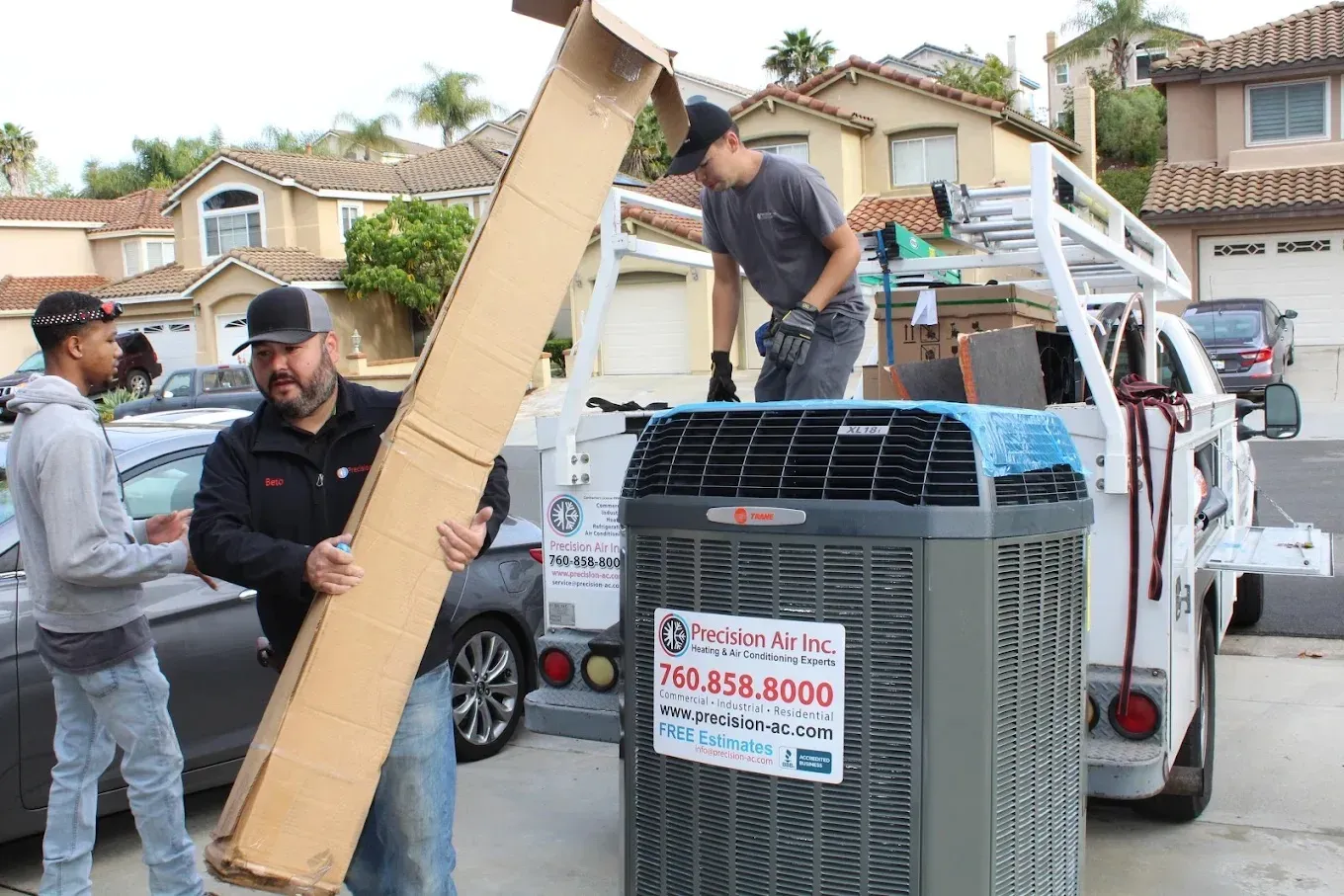
Installing a central air system often involves extensive ductwork installation, which requires significant time and skilled labor. This can extend installation duration and raise labor-related expenses. In contrast, ductless mini-split systems feature a streamlined installation process with minimal intrusion, involving mounting air-handling units in individual zones. This not only simplifies the process but also enables completion often within a day, saving both time and effort.
Energy Efficiency:
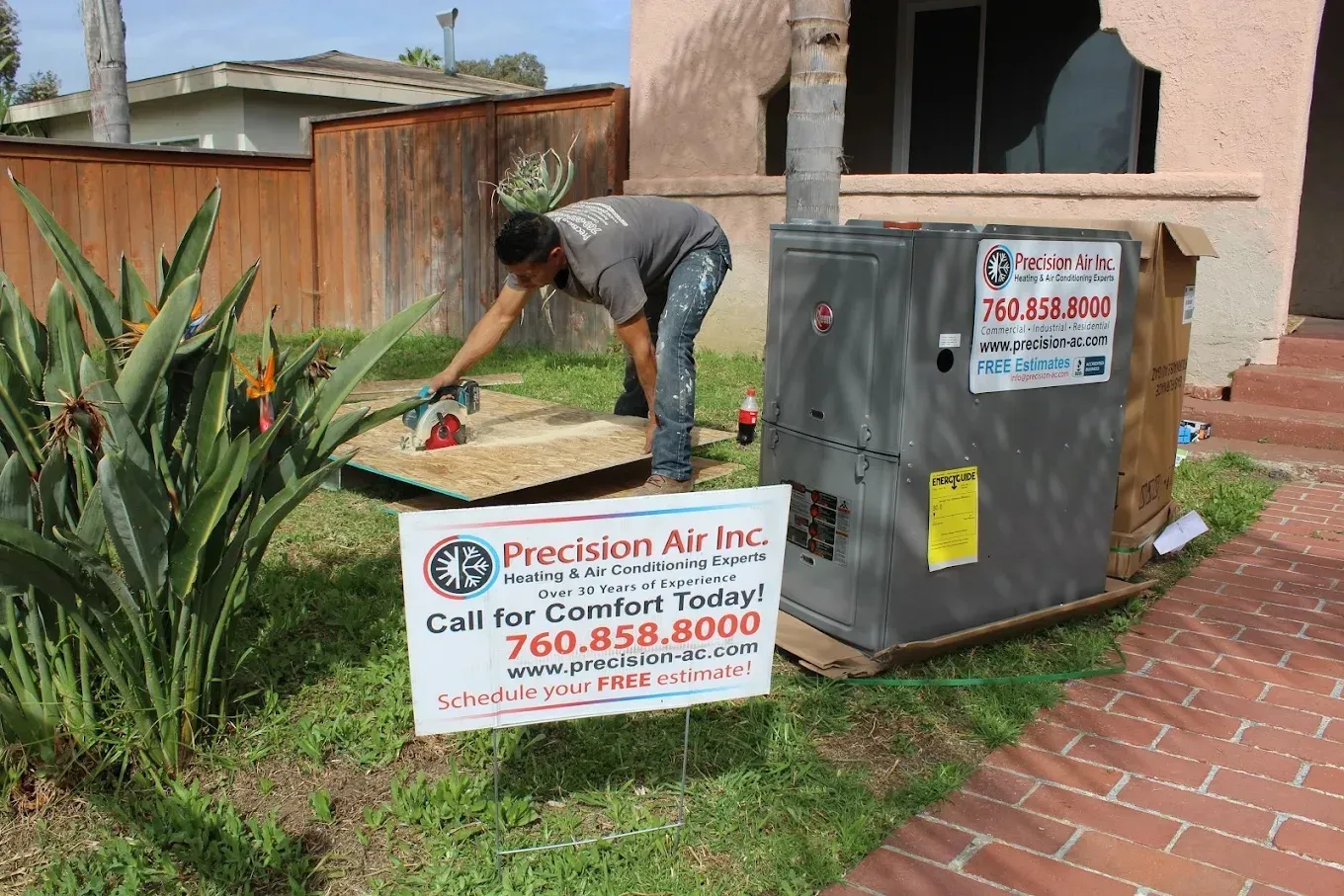
Energy efficiency plays a pivotal role when choosing a cooling system. Central air conditioning systems use Seasonal Energy Efficiency Ratio (SEER) ratings to measure performance. Generally, ductless mini-split systems showcase higher SEER ratings, which translate to enhanced energy efficiency. This efficiency can lead to meaningful savings on energy bills over time since ductless systems avoid the energy losses commonly caused by ductwork — losses that can be a significant portion of total consumption depending on the quality of insulation and duct design.
Cost Implications:
While initial installation costs differ substantially, central air systems usually require a higher upfront investment due to duct installation complexity and equipment costs. Ductless mini-split systems, however, tend to offer long-term savings by maintaining lower operational and maintenance expenses given their simpler design and fewer moving parts. When advising our clients in Encinitas, CA, we encourage considering both immediate expenses and long-term financial benefits during decision-making.
Overall Effectiveness for Various Types of Homes:
The choice between central air and ductless systems often hinges on your home’s structure and layout. Central air works well in spacious homes equipped with ductwork, efficiently cooling multiple areas. Conversely, older homes or those without existing ducts can benefit from the flexible and zoned cooling options provided by ductless mini-split systems. These allow precise temperature control in individual rooms, enhancing comfort and reducing unnecessary energy use.
Key Differences Between Central Air Conditioning and Ductless Mini-Split Systems
Distinguishing core differences between central air and ductless mini-split systems aids in selecting the right cooling approach.
Efficiency:
From our experiences with clients, ductless mini-split systems usually achieve better efficiency ratings compared to standard central air units. With SEER ratings often exceeding 20 for ductless units, and central AC models averaging mid-teens, the energy consumption is notably lower for ductless options. This translates into reduced electricity bills over time, particularly in Encinitas’s variable climate where cooling demands can extend across seasons.
Installation Requirements:
Central air installation requires comprehensive ductwork and insulation, often involving structural modifications, which adds to complexity and timeline. Ductless mini-split units need only minimal drilling to connect indoor and outdoor units, making installation quicker and less invasive. We find many Encinitas homeowners appreciate the reduced disruption that ductless installations offer.
Cost Factors:
While ductless systems may involve a slightly higher upfront price tag, they typically deliver operational savings in the long run through lower energy bills and maintenance needs. Evaluating these factors aids homeowners in balancing immediate expenditures against potential future benefits.
Suitability for Various Home Layouts:
Central air conditioning fits well within homes designed with existing ducts, efficiently managing airflow for larger spaces. However, for homes lacking duct systems or with complicated layouts, ductless mini-splits provide ideal flexibility and can be customized for different zones without major renovations.
How Each System Delivers Cooling: Ductwork vs. Zoned Airflow
Cooling delivery mechanisms significantly impact comfort and efficiency. Central air systems use a network of ducts to circulate cooled air uniformly throughout the home. Although effective, this method can sometimes lead to temperature imbalances in certain rooms. On the other hand, ductless mini-split systems employ multiple air handlers distributed in various zones allowing for individually controlled cooling, which optimizes comfort in frequently used rooms while conserving energy in unused spaces.
Typical Installation Methods and Requirements
Central Air Conditioning Installation:
- Installation Process: Installing a central AC system entails running ductwork through ceilings and walls, positioning the outdoor condenser unit, and connecting electrical systems. This elaborate process requires careful planning and skilled execution.
- Necessary Tools: Professionals typically use refrigerant gauges, duct cutters, and sheet metal fabrication tools to ensure proper duct installation and system setup.
- Permits: Securing permits is essential, involving adherence to local building codes and inspections to ensure safety and compliance.
Ductless Mini-Split Installation:
- Installation Process: Installation is less invasive, involving mounting indoor air handlers on walls, drilling small holes to connect refrigerant lines, and installing an outdoor unit.
- Necessary Tools: The process requires standard hand tools and basic plumbing equipment, which means shorter installation times.
- Permits: Although permits may be needed, they tend to be simpler and less time-consuming to obtain compared to central AC installations.
Energy Efficiency Ratings Compared for Central Air and Ductless Systems
We advise Encinitas homeowners to consider SEER ratings closely. While modern central air units have improved efficiency, ductless mini-split systems often surpass them, reaching higher SEER values that correlate with lower energy expenses and reduced environmental impact. Evaluating ratings empowers you to select a system that aligns with both your budget and sustainability goals.
Environmental and Incentive Considerations for Cooling Options
Our commitment to sustainability shows in our recommendation of ductless mini-split systems, which generally consume less energy and have a reduced environmental footprint. Many federal and state programs offer rebates and tax incentives for installing energy-efficient HVAC systems, helping offset initial costs. We guide our clients through these opportunities to maximize benefits throughout Encinitas, CA.
Routine Service and Upkeep for Central Air Systems
- Maintenance Checks and Frequency: We recommend annual maintenance prior to peak cooling seasons. This checkup involves thorough inspections and filter replacements to keep your system operating efficiently.
- Tools and Certifications Needed: Maintenance should be performed by certified professionals equipped with tools like manifold gauges and vacuum pumps to prevent breakdowns and extend system life.
Zoned Cooling Enhances Home Comfort With Ductless Systems
Zoned cooling is one of the key advantages of ductless mini-split systems. By setting different temperatures across zones, households can improve comfort levels and actively reduce energy consumption. This feature is especially useful in Encinitas’s diverse climate, where certain rooms may require more or less cooling at different times.
Environmental Impact Comparison Between Central Air and Ductless Systems
The energy consumption patterns of these systems influence their overall environmental impact. Because ductless mini-split systems typically use less electricity, they contribute to decreased carbon footprints, supporting climate goals. Central air conditioning, particularly older models, tend to require more energy, generating higher emissions. Choosing efficient options helps protect both your wallet and the planet.
Ready to Enhance Your Home’s Cooling Efficiency in Encinitas, CA?
At Precision Air Inc., we’re dedicated to helping you select and install the cooling system that best matches your home’s needs and your comfort preferences. Our experienced team offers personalized consultations to evaluate your space and provide the most energy-efficient, cost-effective solutions available.
Contact Precision Air Inc. to schedule your consultation and take the first step toward smarter, more comfortable cooling.