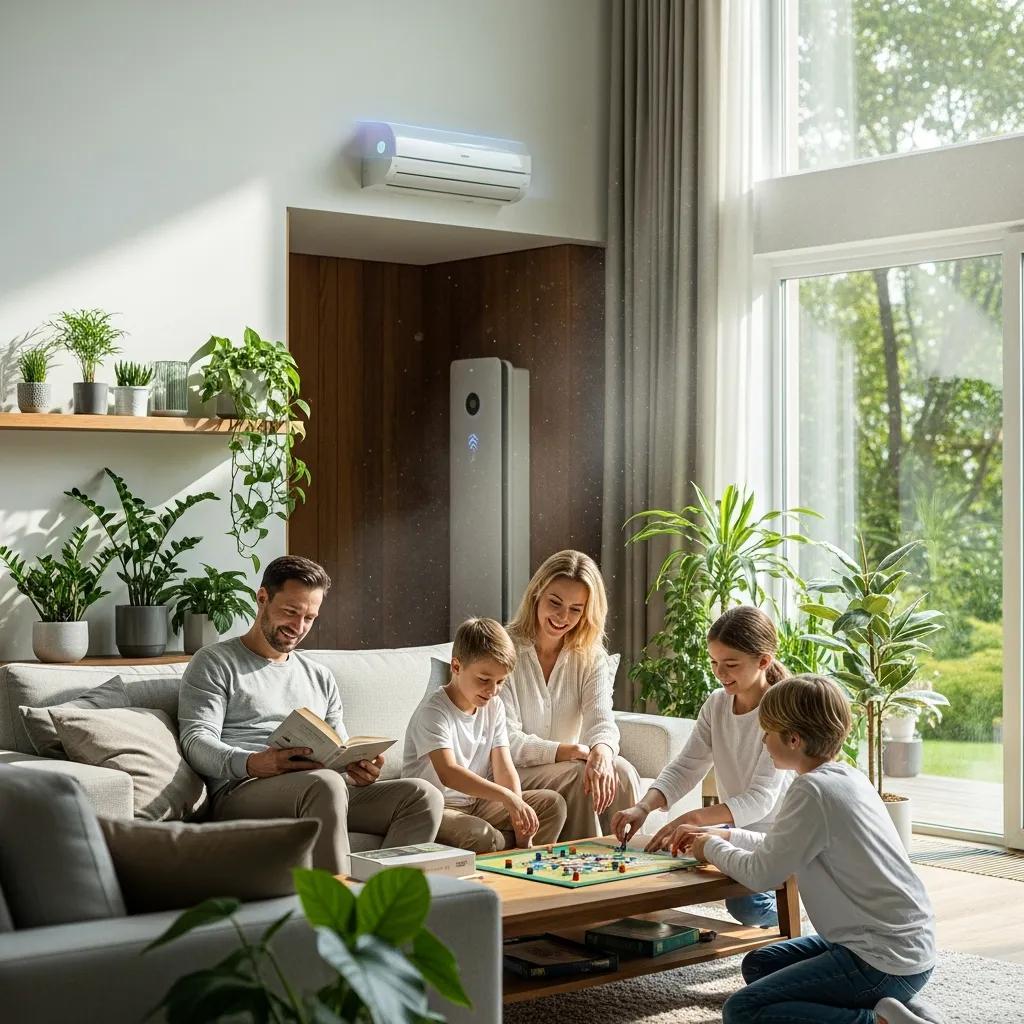
How Clean Air Improves Your Health: Understanding Indoor Air Quality Benefits and HVAC Filtration
Clean indoor air supports breathing, comfort and overall wellbeing. It reduces triggers for allergies and respiratory conditions and improves daily quality of life. This article explains how clean air helps health, how HVAC filtration contributes, and practical steps to keep your home healthier. You’ll learn the main health benefits, how filters work, why regular maintenance matters, and how local experts at Precision Air Conditioning in Encinitas, CA and San Diego, CA can offer tailored solutions.
In addition to describing benefits and technologies, this guide provides practical, easy-to-apply steps homeowners can use immediately—simple checks, maintenance priorities and purchase considerations that preserve system performance and protect household health.
What Are the Key Health Benefits of Clean Indoor Air?
Cleaner indoor air lowers exposure to pollutants and delivers clear benefits: better respiratory health, fewer allergy flare-ups, and greater comfort. That often translates to improved focus and productivity at home and work.
Beyond immediate relief from symptoms, sustained improvements in indoor air quality support sleep quality and daily comfort by reducing irritation that can interrupt rest. People with chronic conditions typically report fewer symptom days when their indoor environments have lower amounts of dust, mold and irritants.
How Does Clean Air Reduce Respiratory Illness and Allergy Symptoms?
Cleaner air cuts the number of airborne contaminants you breathe in. Reducing dust, mold spores and pet dander limits triggers for asthma and allergies. Studies also link lower indoor pollutant levels with fewer hospital visits for respiratory issues.
Studies specifically note that better indoor air quality can ease asthma symptoms, especially in children.
Mechanically removing particles and controlling moisture are two straightforward ways to reduce the load of triggers in a typical home. Even modest improvements in filtration and humidity control commonly produce noticeable symptom relief for sensitive family members.
What Recent Studies Support the Health Advantages of Improved Air Quality?
Recent research shows consistent health gains from cleaner indoor air. Homes with effective filtration report fewer respiratory complaints and better lung function. One study found children exposed to cleaner indoor air had markedly lower rates of asthma- and allergy-related hospital visits.
The broader literature also emphasizes multi-pronged approaches—combining filtration, source control and proper ventilation tends to produce more reliable results than any single measure alone. When reviewing research, pay attention to whether studies examined whole-house systems, portable units, or combined strategies, as outcomes can vary with the approach.
How Does HVAC Air Filtration Enhance Indoor Air Quality?

HVAC systems filter and move air through your home. Good filtration lowers airborne allergens and pollutants, which improves indoor air quality and supports health. Knowing filter types and performance helps you get the best results from your system.
Filters work by capturing particles as air passes through the filter medium. A properly sized and installed filter also helps maintain consistent airflow so the HVAC system can ventilate and condition spaces as designed. When filters become clogged, both airflow and filtration performance drop, so regular attention is important.
What Types of HVAC Air Filters Most Effectively Reduce Airborne Allergens?
Filters differ in how well they capture particles. HEPA filters are highly effective, trapping about 99.97% of particles down to 0.3 microns. Pleated and electrostatic filters also reduce particles, though at varying efficiencies. Picking the right filter boosts allergen removal and IAQ.
In practice, choose the highest-efficiency filter your system manufacturer recommends and that the system fan can move air through without undue strain. If a system cannot accommodate a high-efficiency panel, consider adding portable HEPA units in sleeping and living areas to supplement whole-house filtration.
Research supports the effectiveness of whole-house and portable filtration in managing allergic respiratory problems.
How Does Regular HVAC Maintenance Improve Air Filtration Performance?
Regular maintenance keeps filters and components working well. Routine checks and timely filter changes prevent dust build-up that restricts airflow and reduces filtration. Professional tune-ups can catch issues early, keep systems efficient and extend their lifespan.
A maintenance visit typically includes inspecting the filter housing, confirming correct filter fit, checking fan and motor operation, and verifying that ducts and coils are free from excessive debris. Small repairs or component adjustments done during a visit can prevent larger failures that would otherwise reduce indoor air quality.
How Can Clean Air Help Reduce Indoor Allergies and Asthma Symptoms?
Cleaner air lowers exposure to common indoor allergens, which helps people with asthma and allergies feel better. Using targeted IAQ measures creates a safer, more comfortable home for sensitive household members.
For households with particularly sensitive occupants, focusing on high-exposure areas such as bedrooms and the living room often yields the most immediate benefit. Combining bedroom HEPA units, encasements for mattresses and pillows, and disciplined cleaning routines can reduce nightly exposure and improve sleep.
Which Airborne Allergens Are Most Common Indoors and How Are They Controlled?
Typical indoor allergens include dust mites, mold spores, pet dander and pollen. Control relies on regular cleaning, proper ventilation and effective filtration. Allergen-proof mattress and pillow covers cut dust mite exposure, and keeping humidity low reduces mold risk.
Source control reduces the amount of allergen that needs to be removed. Simple measures—storing soft toys in washable bins, using washable curtains, and removing carpets in high-moisture areas—complement a solid HVAC and filtration plan.
What Strategies Using HVAC Systems Minimize Allergy Triggers?
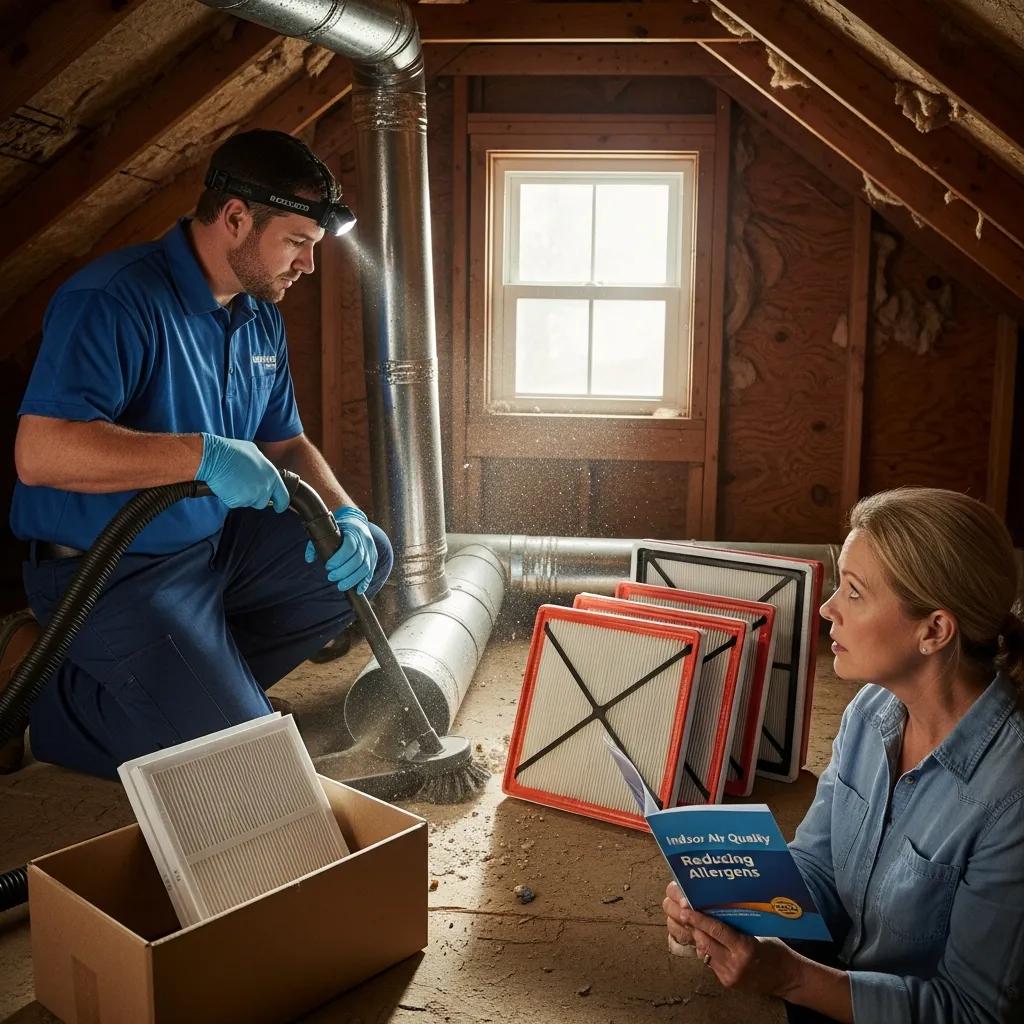
Use HVAC strategies like scheduled duct cleaning, high-efficiency filters and humidity control to reduce allergens. These steps remove trapped dust, capture particles more effectively, and limit mold and dust mite growth.
Practical steps include sealing duct leaks, verifying that supply and return registers are unobstructed, and setting ventilation rates that balance fresh air intake with energy costs. Humidity control—through dehumidifiers or system-integrated controls—reduces mold and mite-friendly conditions without over-drying the home.
What Are the Health Risks Associated with Poor Indoor Air Quality?
Poor indoor air quality raises health risks, especially for children, older adults and people with existing conditions. Long-term exposure can contribute to chronic respiratory disease, higher stress and fatigue.
Short-term effects include irritation of the eyes, nose and throat, and transient headaches. Over months and years, persistent exposure to elevated levels of indoor pollutants increases the likelihood of ongoing respiratory irritation and may exacerbate chronic conditions.
On a global scale, indoor air pollution is a major contributor to respiratory illness and premature deaths.
How Do Indoor Pollutants Affect Respiratory and Overall Health?
Pollutants like VOCs, fine particles and biological contaminants harm respiratory health. Long-term exposure can lead to chronic lung disease, raise cardiovascular risk and cause other health problems. Identifying pollutant sources is key to reducing risk.
Many indoor pollutants originate from everyday products and activities: cooking, cleaning products, building materials and hobby supplies can all be sources. Adopting low-emission products, using range hoods while cooking and providing appropriate ventilation where activities generate pollutants can reduce exposure substantially.
What Are the Signs and Symptoms of Exposure to Contaminated Indoor Air?
Symptoms can include coughing, sneezing, headaches and fatigue. More serious exposure may cause shortness of breath or worsen existing conditions. Spotting these signs early helps you take steps to improve air quality.
If symptoms consistently improve when occupants are away from the home, that pattern often indicates indoor sources. Keeping a simple symptom log noting when symptoms worsen or improve, linked to activities or weather, can help professionals diagnose and prioritize mitigation.
How to Choose the Right Air Purifier and HVAC Solutions for Healthier Air
Picking the right purifier or HVAC solution matters for IAQ. Compare features and specs so you can choose equipment that meets your health and comfort needs.
When evaluating options, consider the room size, unit capacity (CADR for portable units), maintenance requirements and operating noise. Balance performance with practical considerations like where devices will be placed and how often filters will need replacing.
What Features Should You Look for in Air Purifiers to Maximize Health Benefits?
Look for HEPA filtration, activated carbon filters and air quality sensors. HEPA captures small particles, activated carbon reduces odors and VOCs, and sensors give real-time IAQ feedback so you can adjust settings.
Additional useful features include programmable schedules, sleep modes with lower noise levels, and filter replacement indicators. For people with chemical sensitivities, units with proven VOC-removal media or a combined filtration approach often help reduce irritation.
How Do HVAC System Types and Air Filter Ratings Impact Indoor Air Quality?
HVAC design and filter ratings directly affect pollutant removal. Systems that accept higher-efficiency filters remove more particles, and consistent maintenance keeps them operating as intended. Know the link between system type, filter rating and IAQ when you choose equipment.
For older systems, consult a qualified technician before moving to a much higher-efficiency filter since increased resistance can affect airflow. In some cases, system upgrades—better fans, variable-speed blowers, or dedicated ventilation—are recommended to safely support improved filtration.
What Are Best Practices for Maintaining HVAC Systems to Ensure Clean Air?
Good HVAC maintenance preserves clean air and system performance. Simple, regular habits help homeowners get the most benefit from their equipment.
A maintenance checklist that includes filter inspection, condensate drain checks, coil cleaning and basic airflow verification helps keep systems running at peak performance. Regular monitoring reduces the chance of problems that both degrade IAQ and increase energy use.
How Often Should HVAC Systems Be Serviced for Optimal Air Quality?
Service your HVAC system at least once a year. Maintenance should include filter checks and changes, duct cleaning as needed, and a full system inspection to catch problems early and keep performance high.
Homes with pets, smokers, renovated spaces or heavy indoor activity may benefit from more frequent checks. Discuss a service cadence with your local technician at Precision Air Conditioning to align visits with your household’s specific needs and seasonal use patterns.
What Are Effective Maintenance Tips to Reduce Indoor Air Pollutants?
To cut indoor pollutants, follow these practical maintenance tips:
- Regularly change air filters: Replace filters every 1-3 months to maintain optimal airflow and filtration efficiency.
- Clean ducts and vents: Schedule professional duct cleaning to remove accumulated dust and allergens.
- Monitor humidity levels: Use dehumidifiers to maintain humidity levels between 30-50% to prevent mold growth.
In addition to those core steps, vacuuming with a HEPA-capable vacuum, cleaning or washing HVAC registers and keeping furnace and air handler areas free of stored items reduce dust recirculation. Replace or clean pre-filters on systems that use them and keep an inventory of replacement filters so changes happen on schedule.
For homes with moisture problems, address building envelope issues—such as roof leaks, basement seepage or poor drainage—before relying solely on filtration. Removing the source of moisture is the most durable solution to prevent mold-related IAQ problems.
Putting these measures in place can noticeably improve indoor air quality and support a healthier home.
How Does Local Expertise in Encinitas, CA and San Diego, CA Support Better Indoor Air?
Local HVAC professionals at Precision Air Conditioning offer solutions tuned to Encinitas, CA and San Diego, CA conditions. They can recommend systems and settings that match the local climate and common indoor air challenges.
Local technicians understand common local building types, seasonal ventilation needs and coastal humidity dynamics, which helps them recommend appropriate equipment and control strategies. They can also advise on permit needs and local rebates that apply to efficiency or IAQ upgrades.
Why Choose Local HVAC Services for Tailored Air Quality Solutions?
Local teams provide personalised assessments and practical recommendations based on your home and needs. Their local experience helps them target common IAQ issues effectively.
A local assessment typically includes a walkthrough to identify source issues, basic IAQ measurements if available, and a prioritized plan that balances cost, convenience and benefit. Local pros can follow up with seasonal tune-ups and quicker emergency response when issues arise.
What Promotions and Scheduling Options Are Available for HVAC Health Services?
Many local HVAC providers like Precision Air Conditioning offer seasonal promotions and flexible scheduling. These offers often include discounts on maintenance or special pricing for air quality checks, making it easier to prioritise IAQ.
Look for bundled offers that pair inspection with filter replacement or a duct cleaning, which can reduce the overall cost while addressing multiple contributors to poor IAQ in a single visit.
What Are Common Questions About Clean Air and Health Benefits?
Clear answers help you decide which IAQ steps to take. Understanding common concerns makes it easier to pick the right solutions for your home.
What Health Benefits Come from Clean Indoor Air?
Clean indoor air supports better breathing, fewer allergy symptoms and improved overall wellbeing. Reducing pollutant exposure helps people live healthier, more comfortable lives.
Benefits are both immediate and cumulative: many occupants notice quick reductions in irritation, while longer-term reductions in exposure support fewer symptom days and reduced strain on the respiratory system over time.
To further improve your indoor environment, consider professional HVAC services from Precision Air Conditioning. A well-tuned system can make a measurable difference in your home’s air quality.
How Does HVAC Maintenance Improve Air Quality?
Regular HVAC maintenance ensures filters and components work efficiently. Routine inspections and filter changes limit dust and allergen buildup and help your system deliver cleaner air.
Scheduled maintenance also gives technicians the opportunity to measure system performance and recommend modest upgrades—such as improved filtration, upgraded fans or integration of ventilation controls—that can further enhance air quality and energy efficiency.
Improve Your Indoor Air Quality Today with Precision Air Conditioning
Protect your family’s health and comfort by taking action now. Precision Air Conditioning offers expert assessments, tailored HVAC solutions, and reliable maintenance services in Encinitas, CA and San Diego, CA. Start with a professional evaluation to identify your home’s unique needs and receive personalized recommendations.
Schedule your consultation or service appointment today and breathe easier tomorrow. Contact Precision Air Conditioning.